Insights on
entity resolution
Technical deep-dives, case studies, and product updates from the Tilores team.
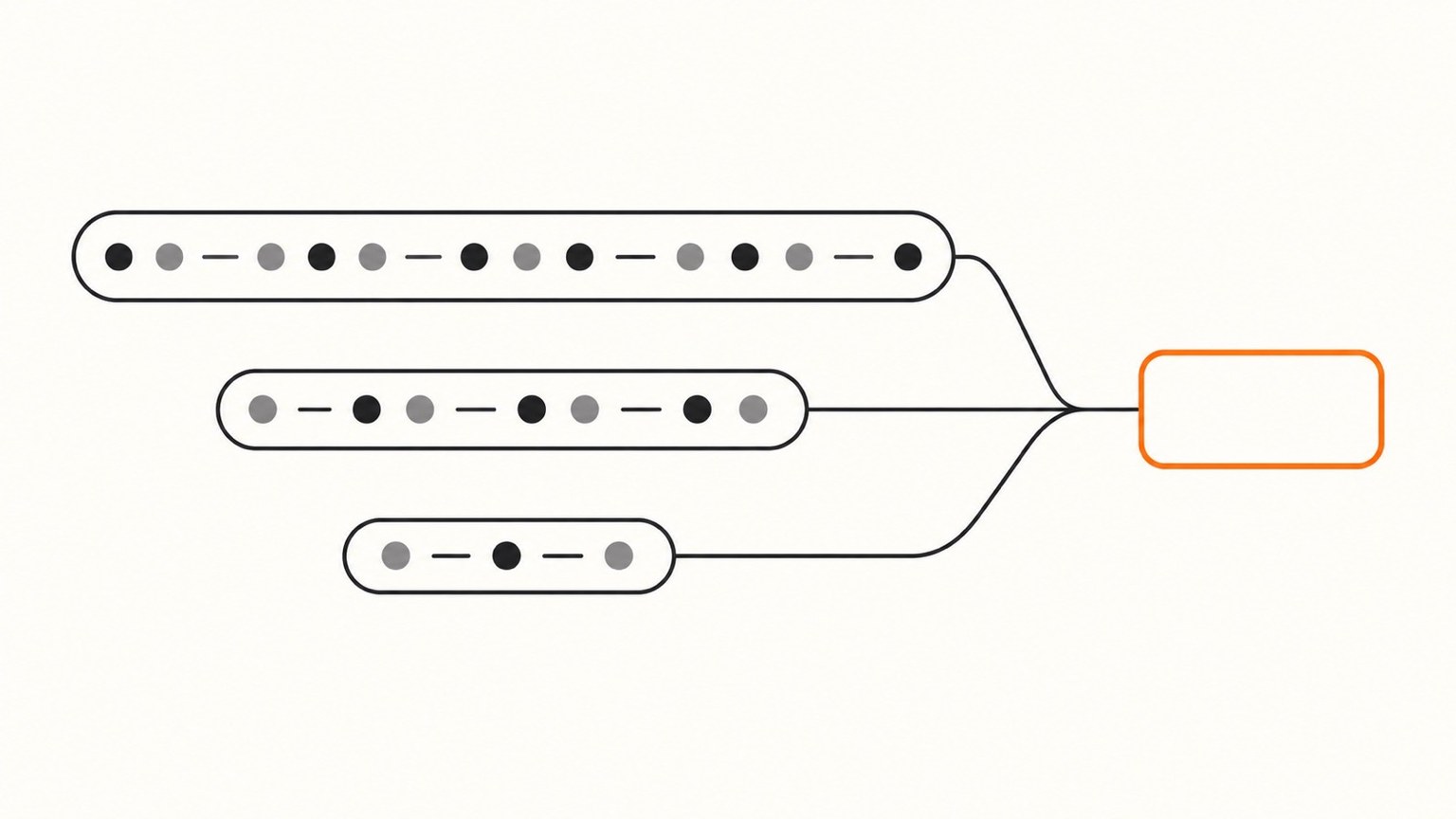
A bank cannot write matching rules directly. We propose a first rule set, the business reviews edge cases, and we revise it over two or more rounds.
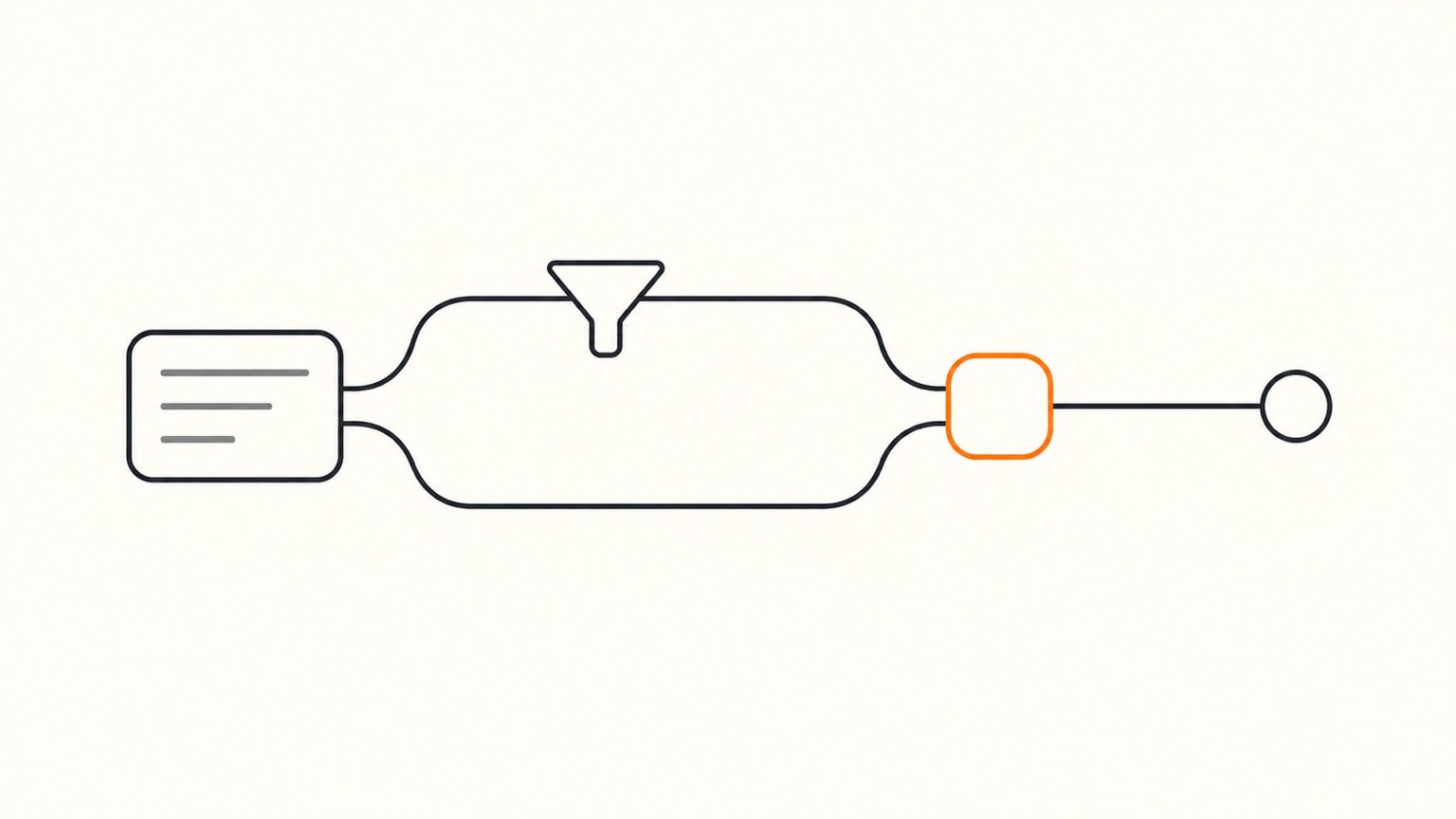
A customer-360 or CDP platform does not decide which records are duplicates. See why normalisation and matching have to happen first, or inside it, and what the wrong order costs.
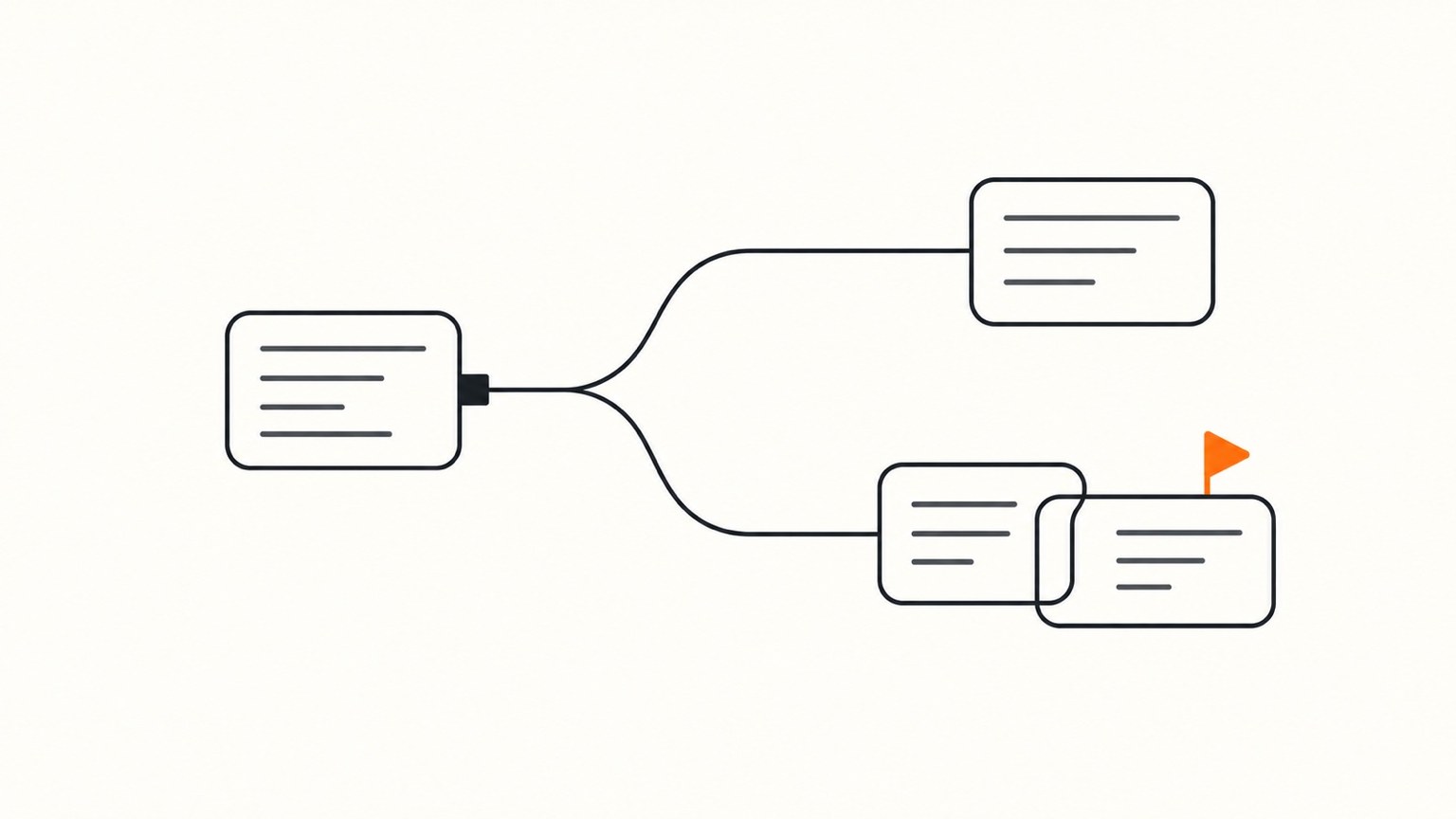
A wrong customer merge meets GDPR's own test for a personal data breach more often than banks assume. What to document, what Article 33 and 34 actually require, and where the risk judgement stays with the bank.
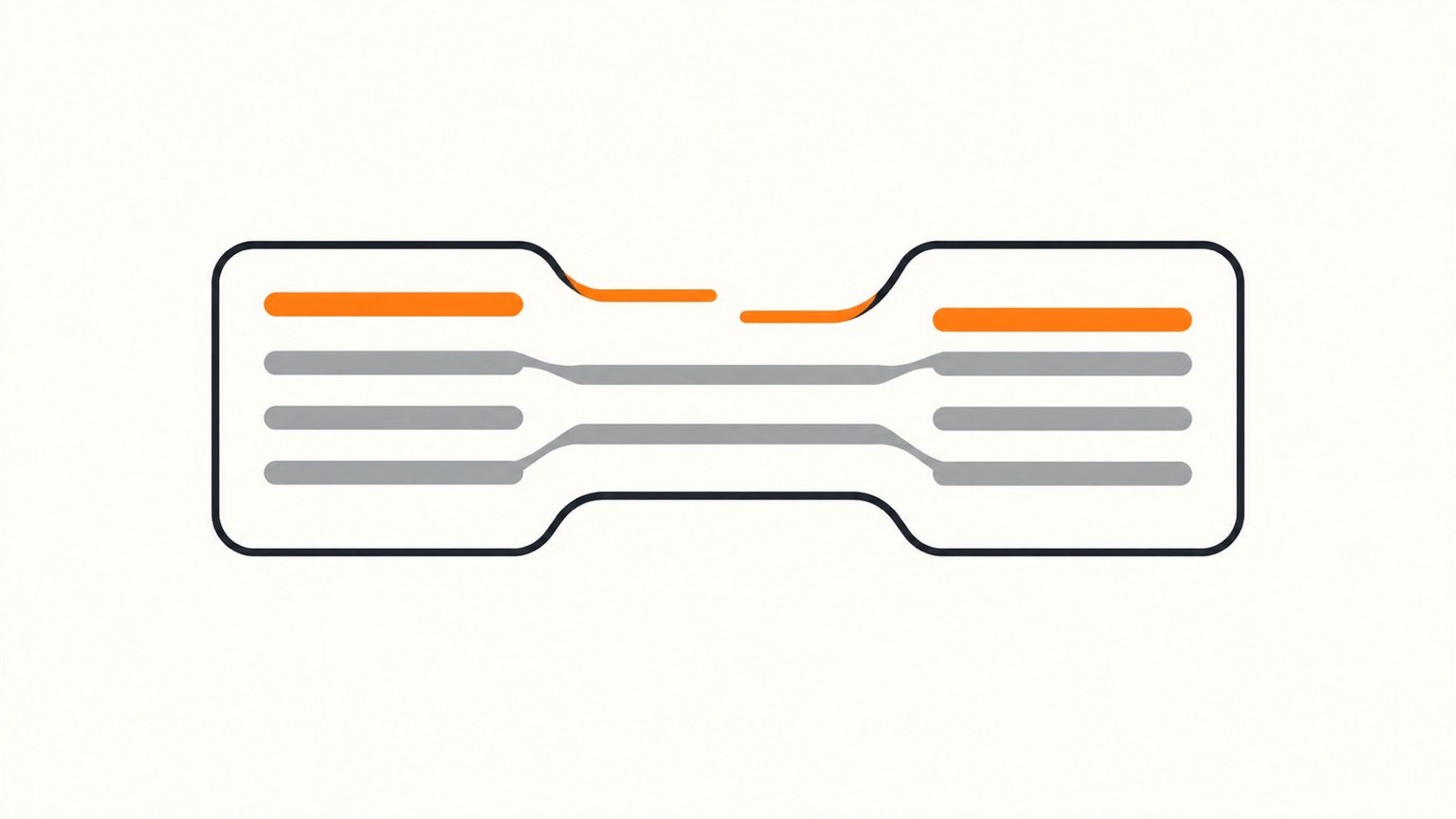
Two bank customers can share a name, an address and a near-identical profile. An entity-level consistency rule, not a match score, decides whether they merge.

Football and sports clubs need a fan record that works across ticketing, membership, retail and AI services. Compare CRM, MDM and entity resolution.

A bank integrates real-time entity resolution through three distinct call patterns, not one generic API hookup. Each pattern maps to a banking workflow, a latency budget and a retry design, so an engineering team builds the right one first.

A reviewer should be able to reconstruct one customer-record merge from original inputs to current outcome. The evidence packet needs source lineage, normalisation history, field-level agreement and conflict, the matching method, decision policy, human actions, downstream screening impact and a tested path to reverse an incorrect merge.

A fair bank entity resolution bake-off gives every vendor the same governed data, hidden labels, operating constraints and decision rule. Score false merges, missed links, review effort, audit evidence and repeatability before cost. Preserve the complete test record so procurement can explain the choice.

We can run inside a bank’s own AWS account, but location alone is not procurement evidence. The real test is who holds the encryption keys, who owns the audit logs and what the bank can prove about its exit rights, alongside access, change control, resilience and matching quality.

A practical funding case for a smaller bank customer master, with staged investment, four use cases, measurable match quality and a clear build versus buy decision.

A practical bank-architect contract for linking core banking, CRM and card records with clear source ownership, reversible decisions and cross-system acceptance tests.
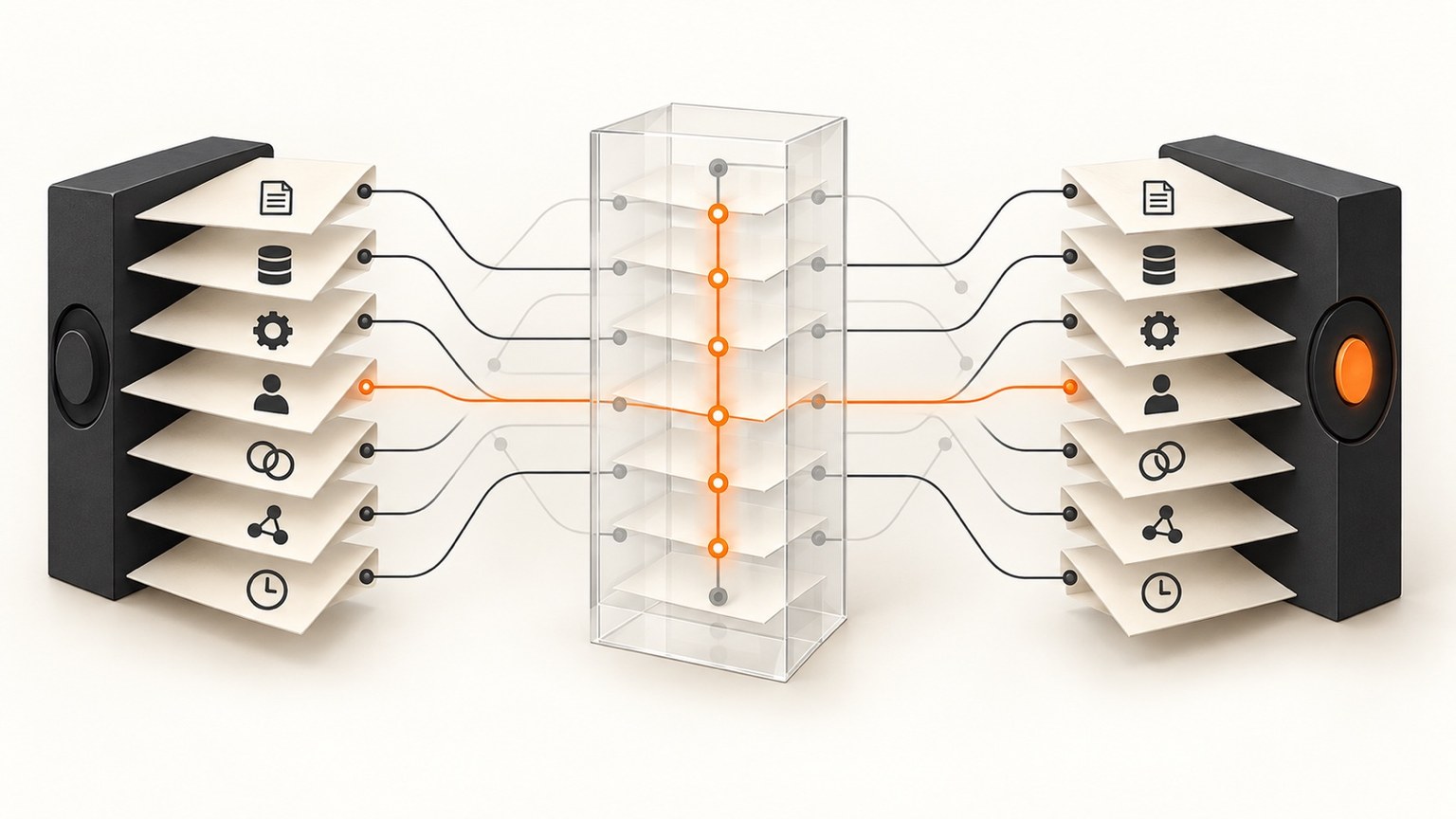
Preserve matching decisions, source record IDs, rule versions and lineage while you validate a new resolver in parallel and cut over with a tested rollback.
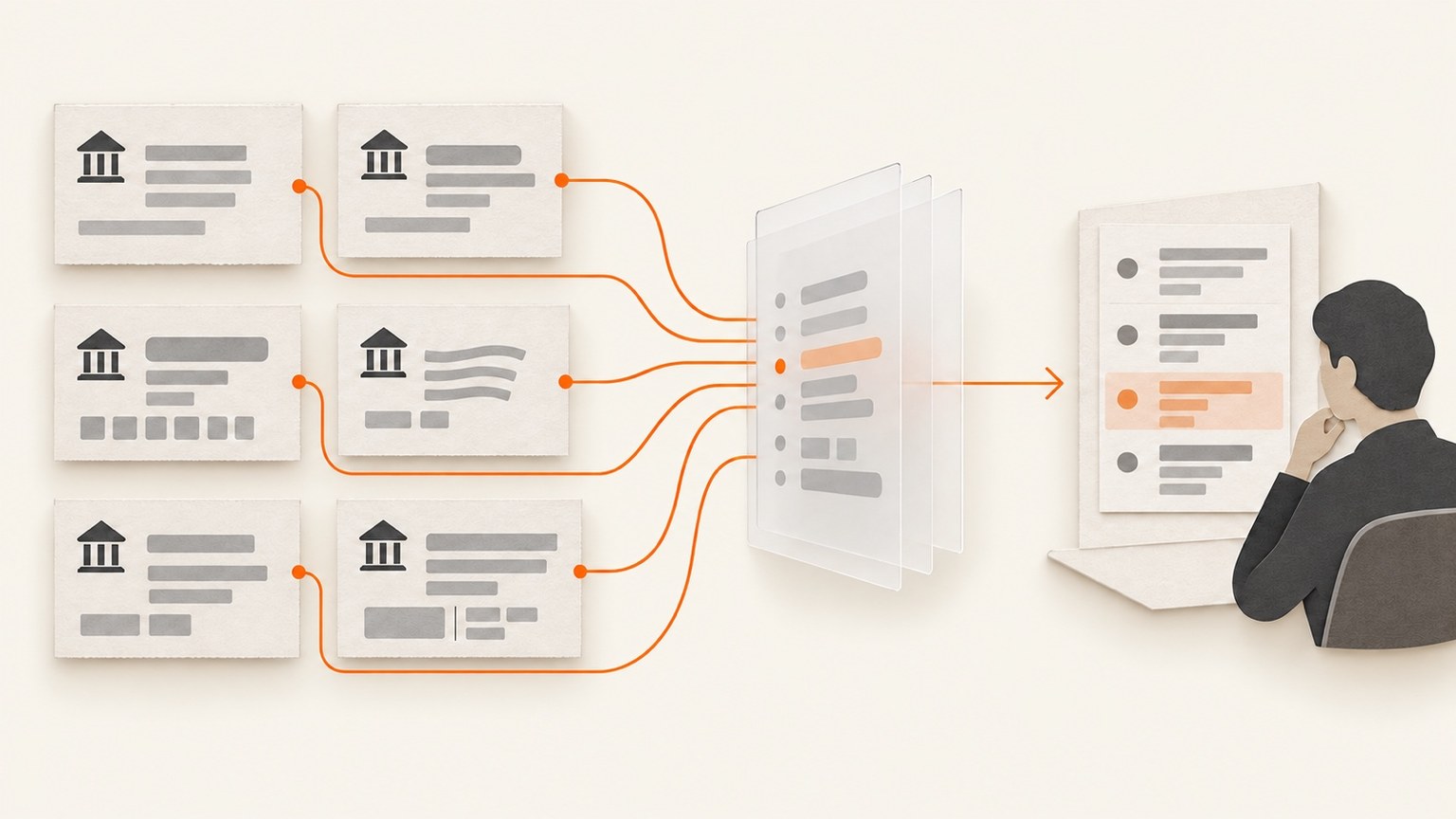
A practical implementation guide to German name and address normalisation before entity resolution, including transliteration, postal structure, matching controls and compliance screening.
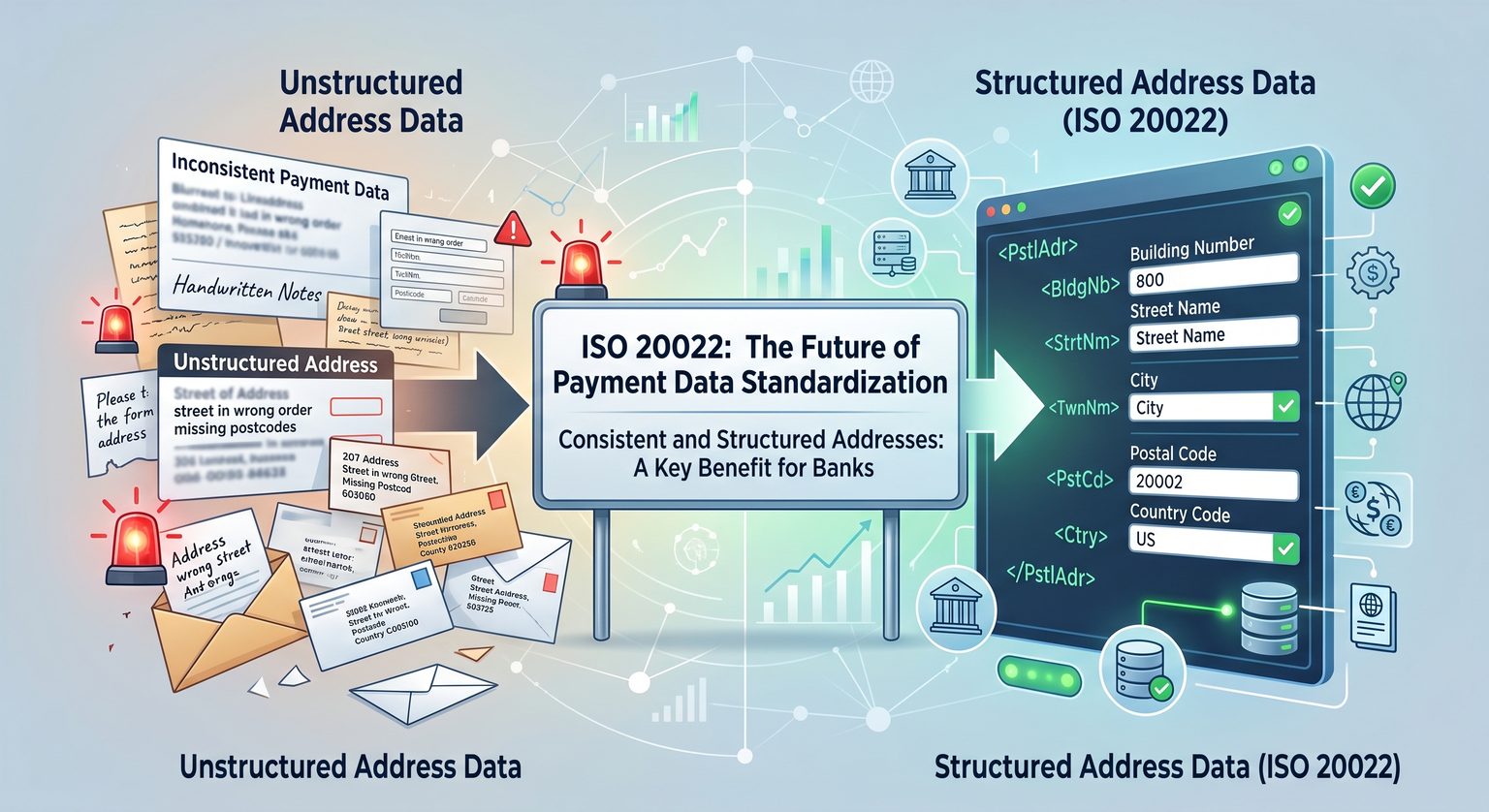
ISO 20022 retires free-text postal addresses in cross-border payments. Swift has pushed the deadline back, but the real work is still ahead: turning messy, duplicated customer addresses into structured, trustworthy master data.
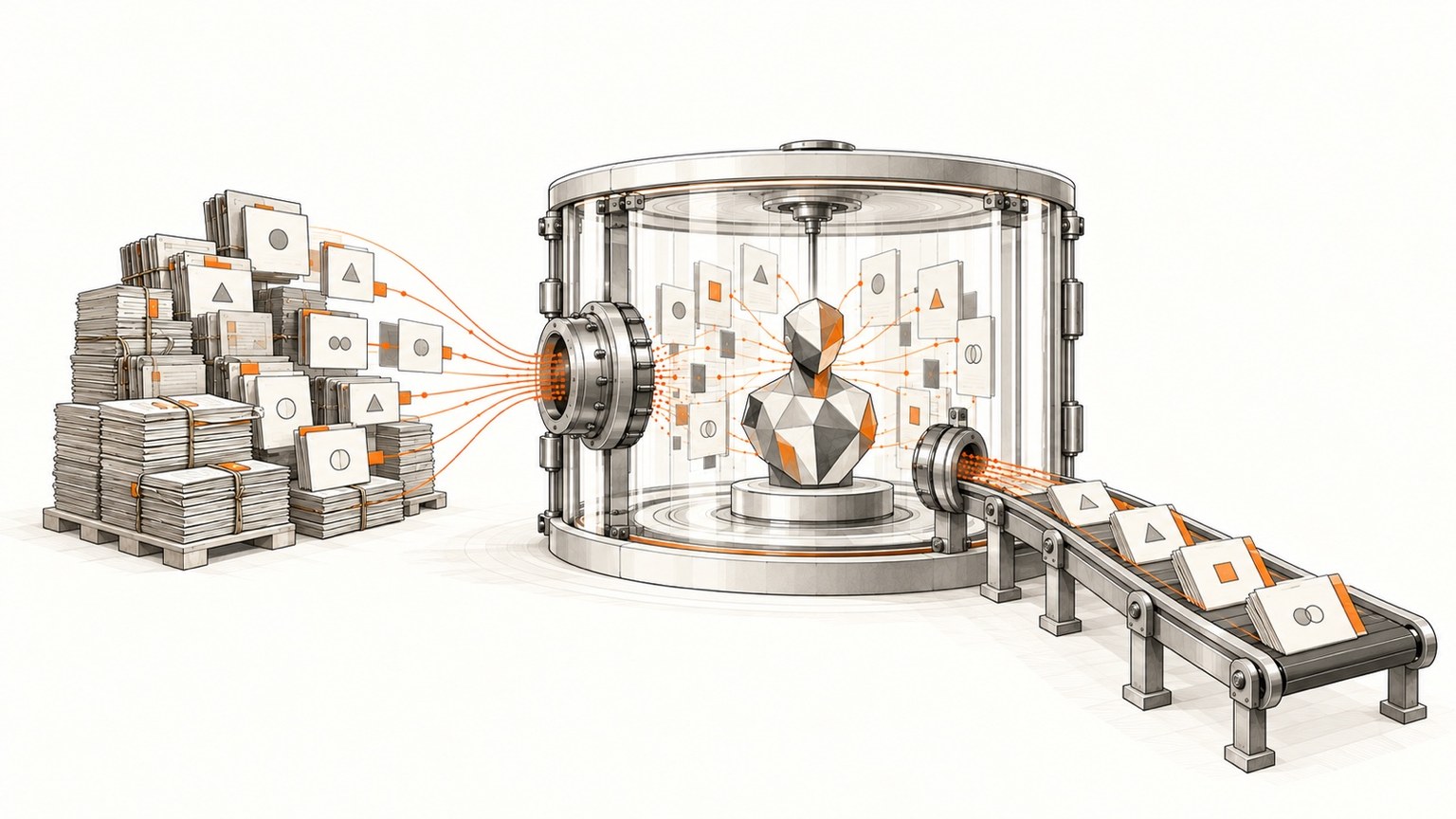
A seven-step architecture for deduplicating historical bank customer records, reconciling the migration and continuing governed matching inside the bank's chosen perimeter.

Seven PoC inputs, privacy controls, evaluation criteria and refinement steps a bank needs for a defensible entity resolution proof of concept.
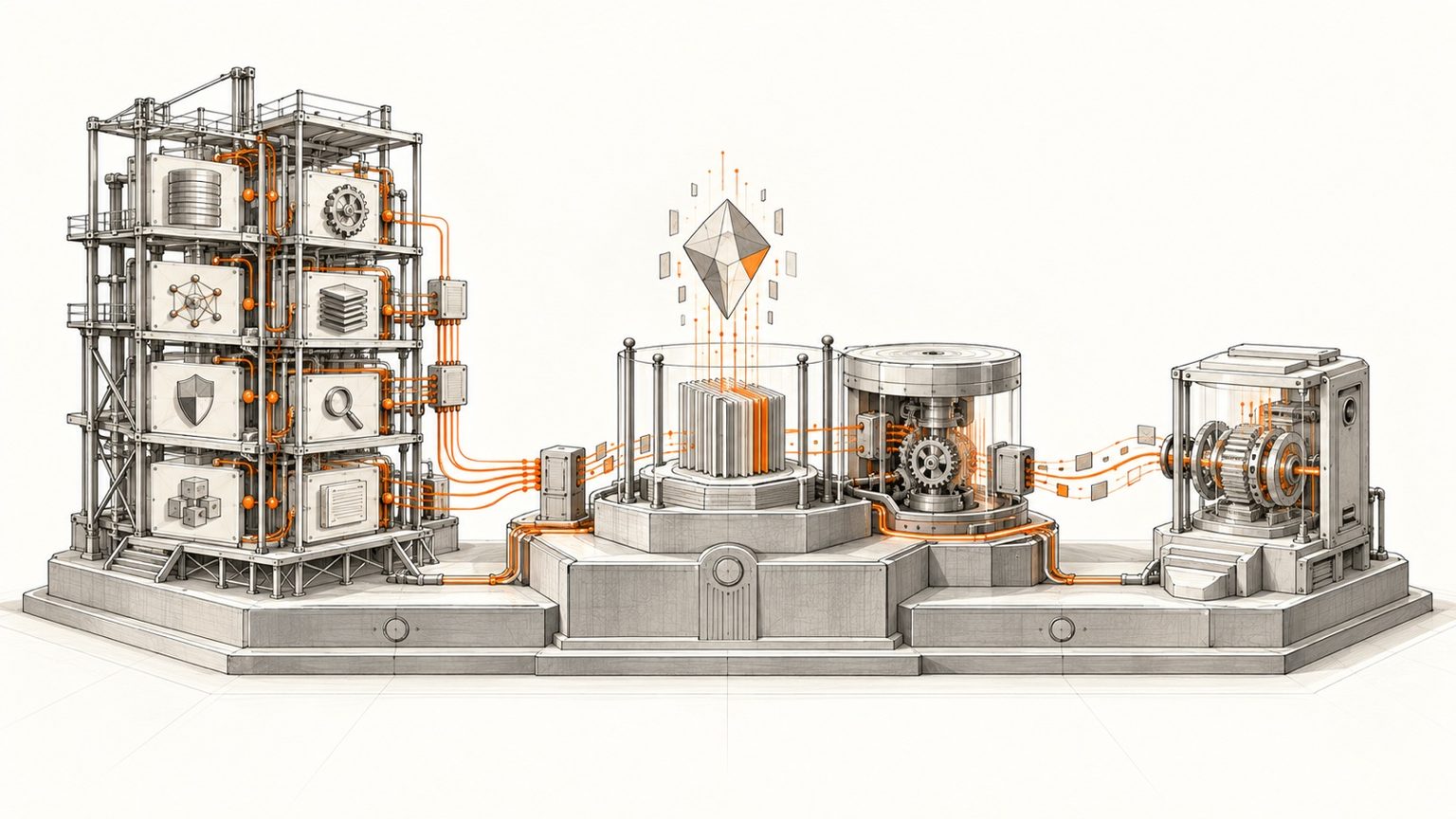
Compare building entity resolution on Databricks with buying a matching engine, including golden records, governance, operations and hybrid architecture.

A bank can use Tilores for entity resolution while keeping survivorship, approvals and golden-record publication in its own mastering layer.
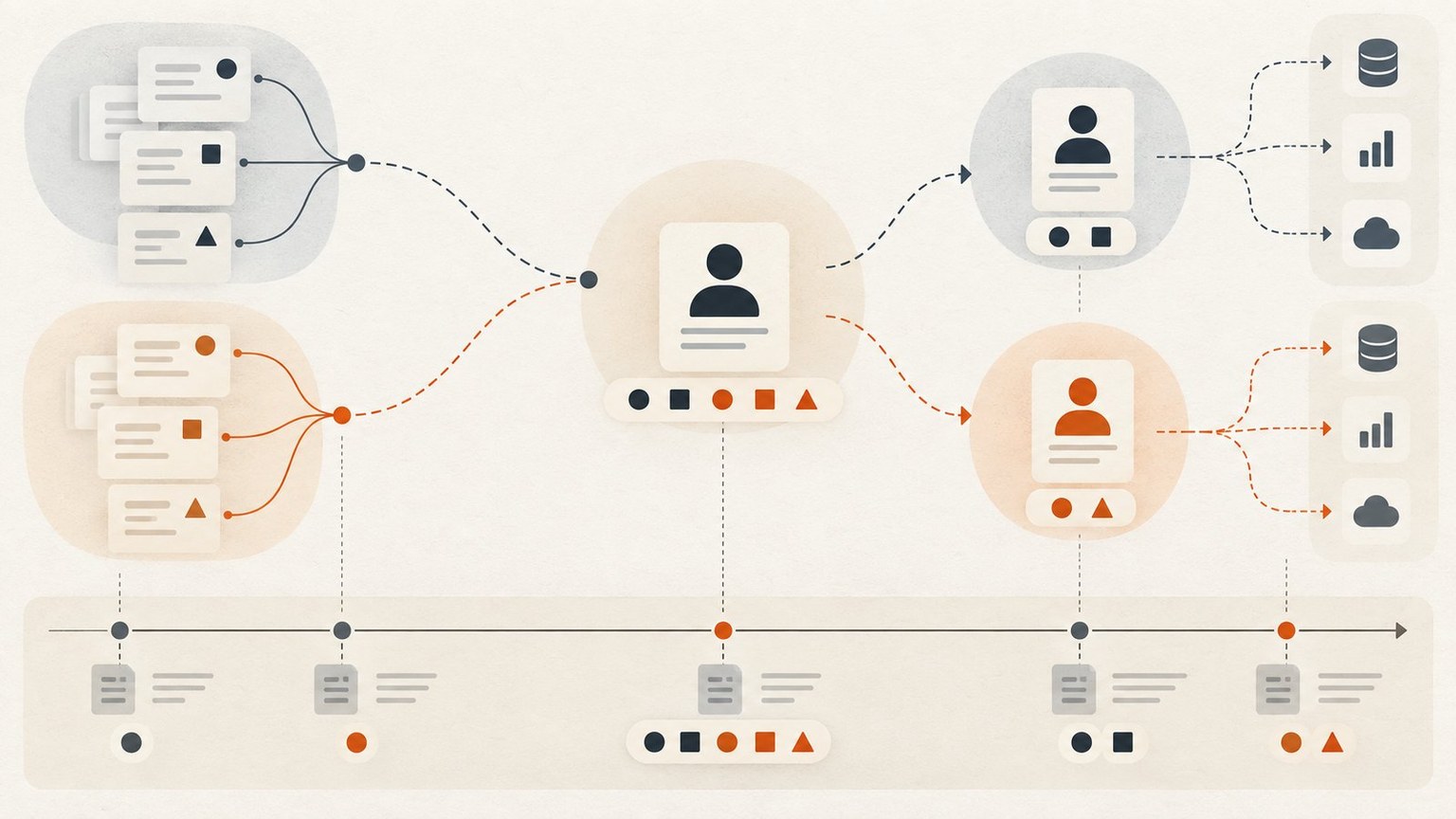
An entity ID is a reference to a current resolution state, not an eternal fact about the world. Downstream systems need aliases, change events and temporal lineage to survive merges and splits.
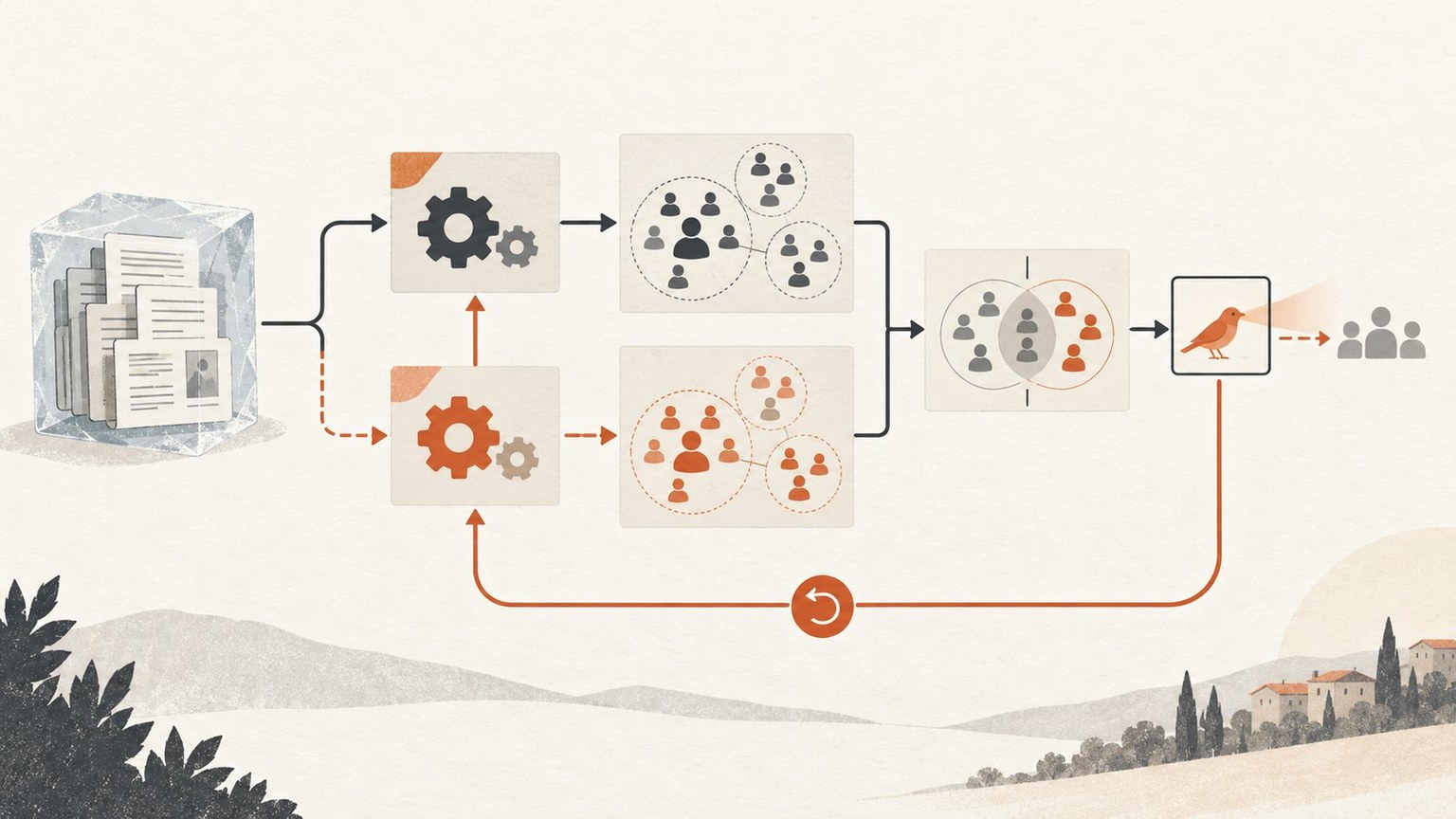
A matching-rule change can reshape existing entities without throwing an error. Safe releases compare outcomes, constrain exposure, preserve lineage and make rollback operational before promotion.

A review queue is a risk control, not a waiting room for every uncertain pair. The design must connect evidence, consequence, reviewer authority and a reversible outcome.
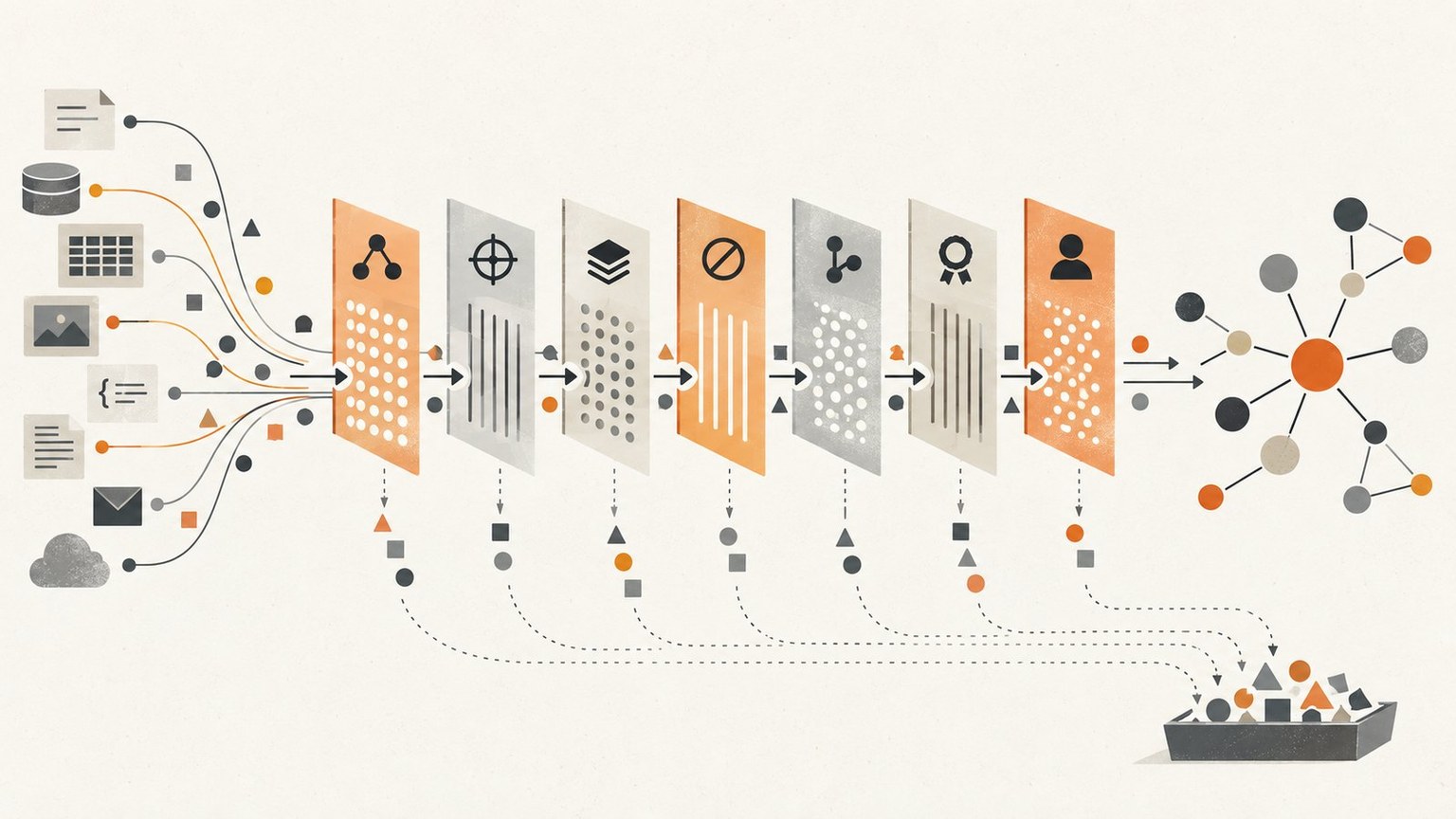
Matching logic cannot rescue identity fields whose meaning, update behaviour or ownership is unknown. These seven contract rules make upstream variation explicit before it becomes an entity error.
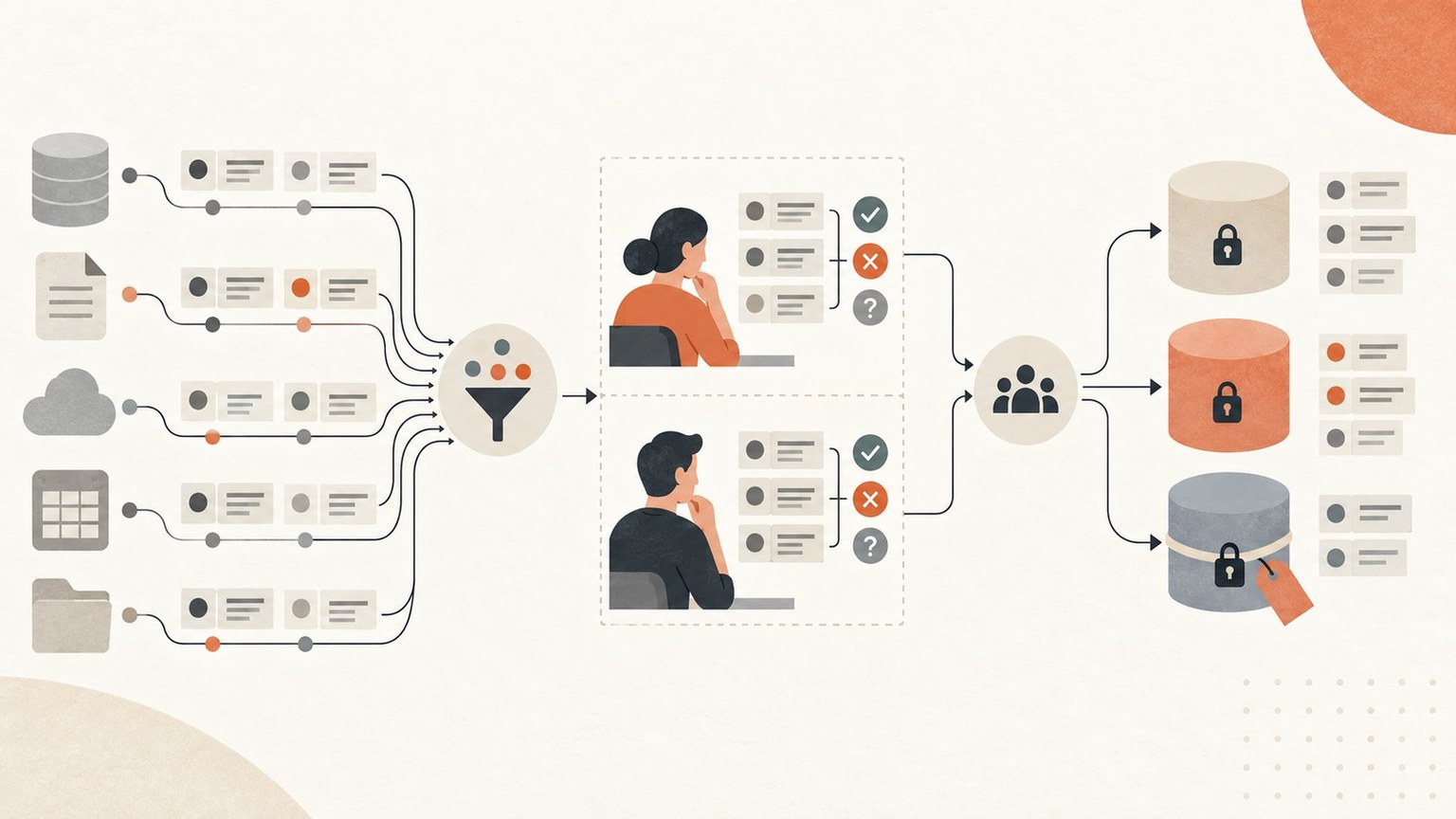
A ground-truth set is not a random export with convenient labels. It is a governed collection of real match, non-match and unresolved decisions designed to expose how the system fails.

Resolving customer identity for an AI agent's RAG context does not decide who is allowed to see it. Six rules for enforcing access control before, during and after retrieval in 2026.

Five rules for merging duplicate CRM records without losing data or trust in 2026: confidence thresholds, survivorship rules, audit trails, GDPR rectification, and what to do when a merge is wrong.

Seven metrics and alert thresholds for tracking entity resolution accuracy after go-live in 2026, so drift is caught before duplicate records accumulate.

Seven machine learning record linkage tools compared for deduplicating CRM, marketing and support records in 2026, from research libraries to a managed real-time service.

Five questions that decide whether a team needs a full master data management platform or a dedicated entity resolution layer in 2026, with a working decision table.

Six architecture decisions that keep an identity graph accurate as customer data changes, illustrated with a 110-million-record production graph, for teams building entity resolution in 2026.

How groups can resolve one customer across business units and jurisdictions while preserving legal-entity controls, consent, retention and data perimeters.

A phased entity resolution implementation runbook covering scope, normalisation, match tuning, deployment, cutover and production monitoring.

A practical architecture guide to placing entity resolution beside Snowflake, Databricks and a modern lakehouse without turning identity into another batch model.

A hands-on guide to testing entity resolution locally, measuring match quality on your own records and moving a successful evaluation to managed AWS.

Tilores needs three generic building blocks — a key-value store, a queue, and file storage. AWS is the fastest way to get them. It is not the only way. Here is what changes, and what does not, when the engine runs somewhere else.

A step-by-step build guide for engineers: resolve customer identity across CRM, support, and billing at ingestion, then wire the resolved entity into your AI agent through a tool call and the Tilores GraphQL API.

A CDP activates marketing profiles. Identity resolution decides whether two records are the same person. Here is what each does well, what breaks when you conflate them, and how to run both together in 2026.

Seven reasons B2B account deduplication breaks CRM and billing data: legal entity vs DBA, subsidiaries, franchises, mergers, domain mismatch, and firmographic drift, with the fix for each.
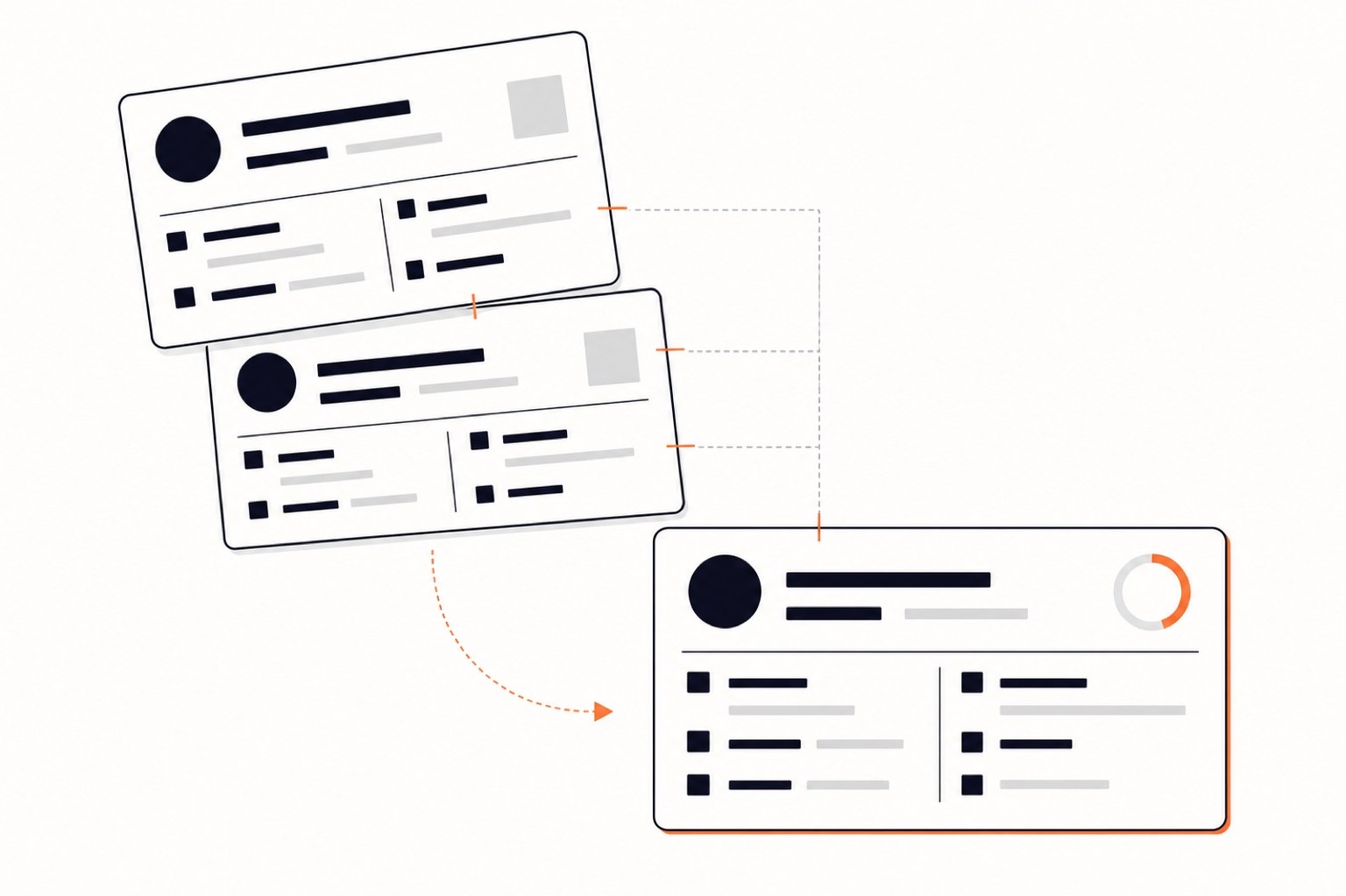
Fuzzy matching is one of three record matching methods, not a full solution. How it works, where it breaks down, and why entity resolution needs all three together.

A practical architecture for resolving identity events from Kafka or Kinesis at ingestion and serving current entity context through GraphQL.

How synthetic identities combine plausible fields into a person who does not exist, and how entity resolution exposes reuse, contradiction, and fraud networks.

Why underwriting and claims teams need resolved, explainable identity context across applicants, policies, claims, vehicles, providers, and contact records.

How the Tilores MCP server gives AI agents protocol-native tools for identity resolution while real customer context stays in the authenticated GraphQL data plane.
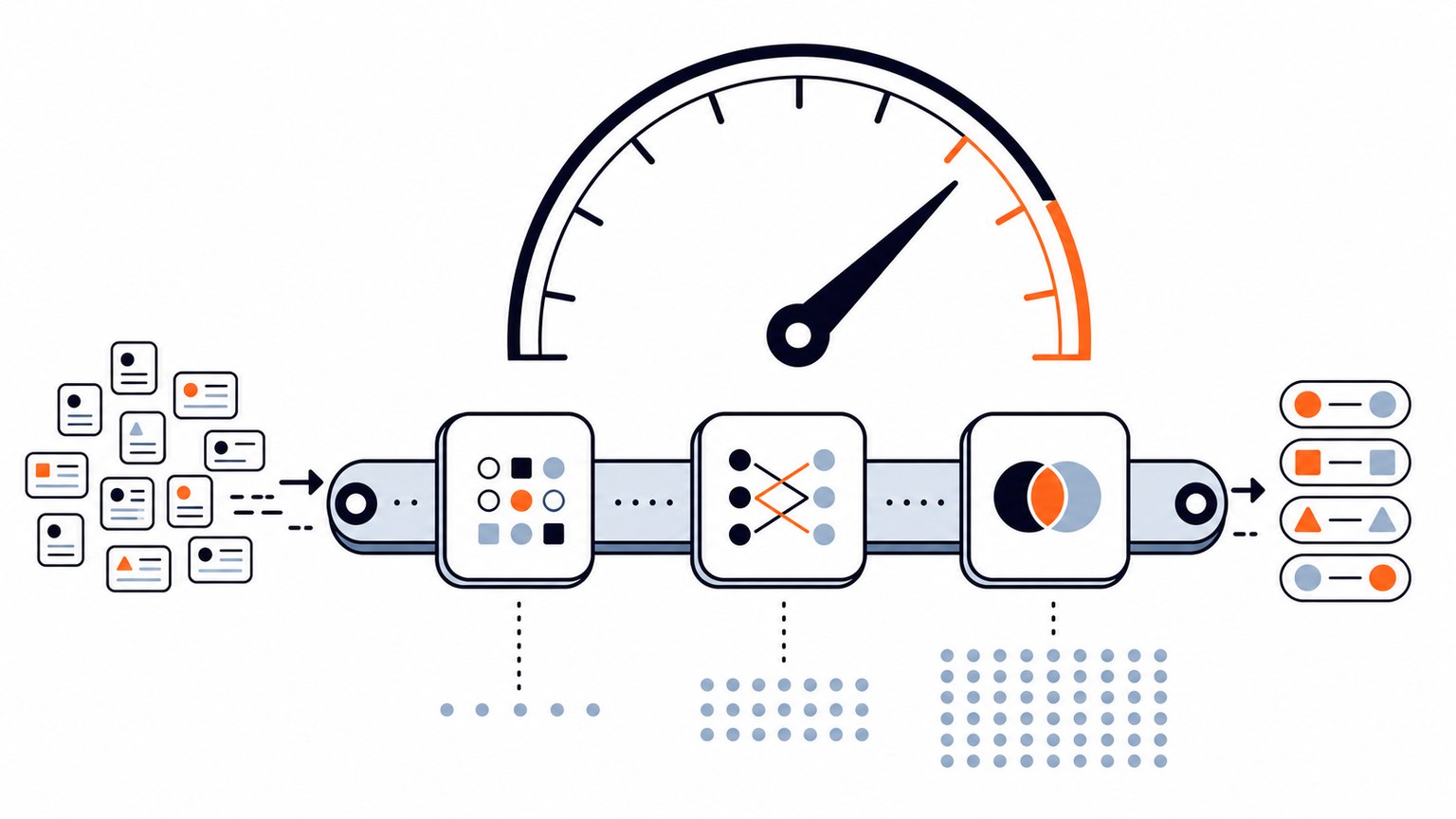
How identity resolution API pricing actually works: what drives cost per match at scale, records ingested versus queries, real-time versus batch, data volume, and match complexity.
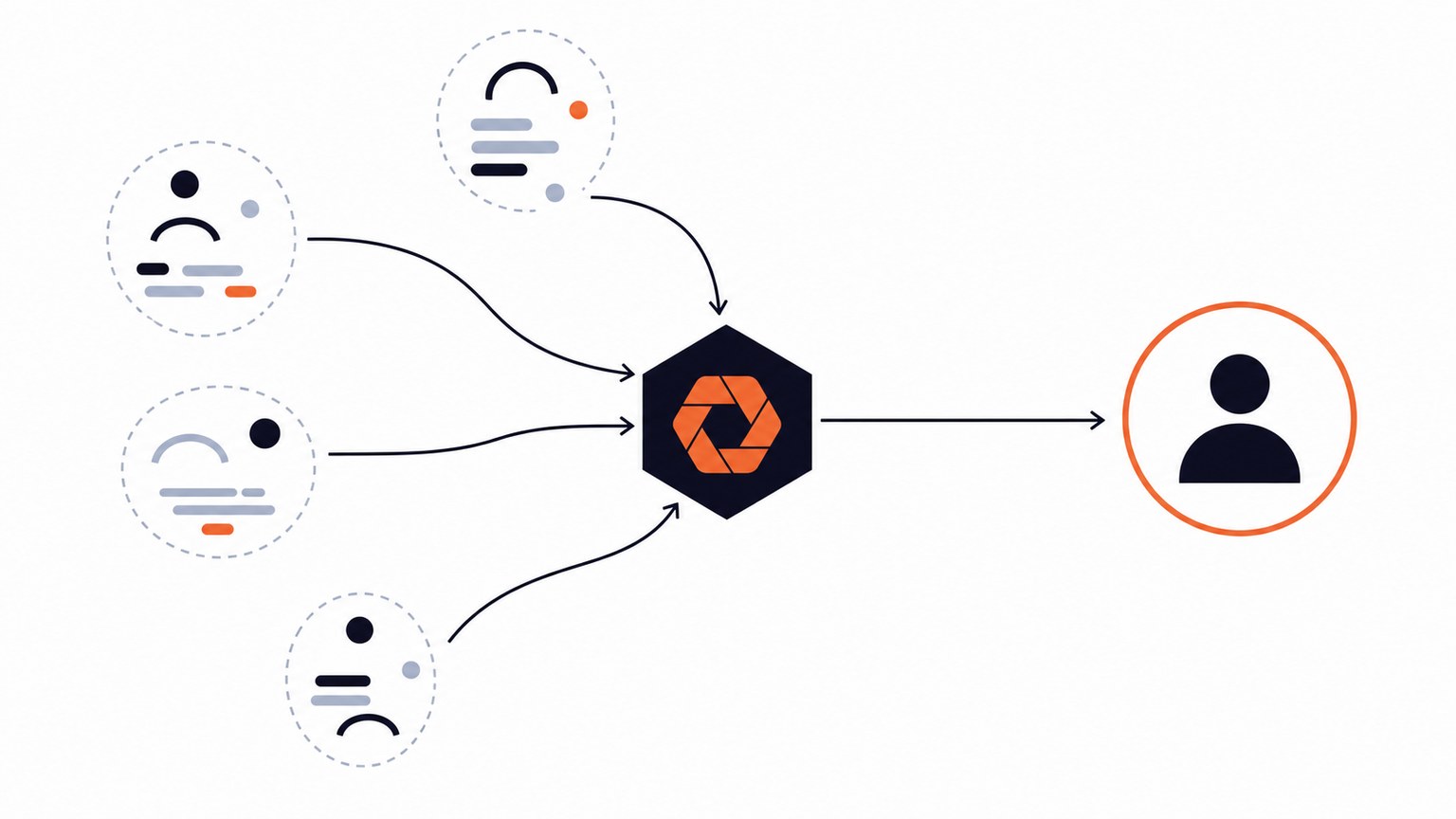
How an AI agent resolves one customer across CRM, billing, and support in real time: call Tilores to unify records, then feed the resolved entity to the LLM.
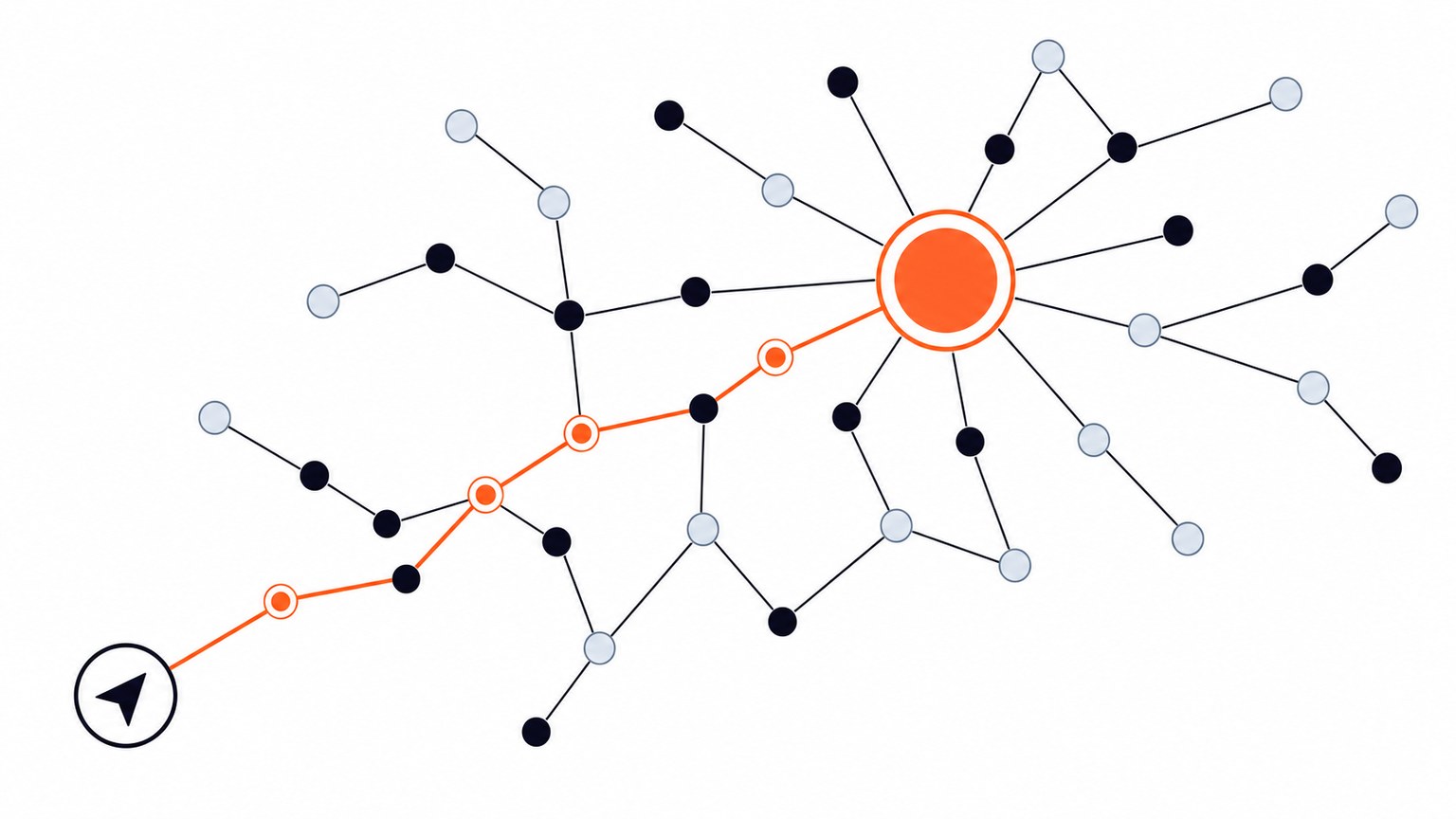
An entity resolution graph is source records as nodes, probabilistic match links as edges, resolved into one entity view. Here is how it is built at ingestion and queried over GraphQL.
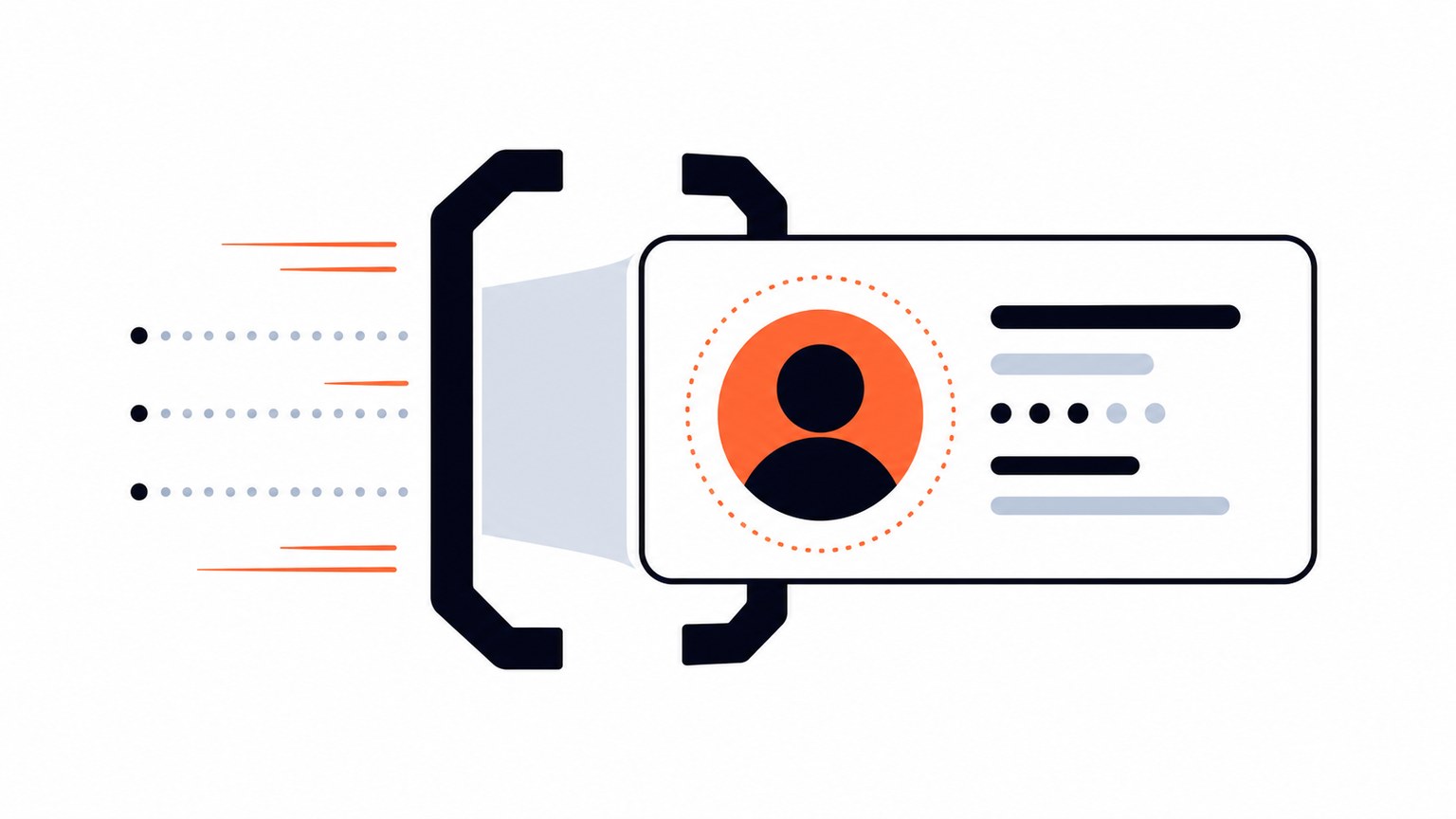
How to query a unified customer profile through an API in real time: a working GraphQL query, an example response, and how that resolved context feeds an LLM agent through IdentityRAG and MCP.

We benchmarked our own product against open-source Splink, published the code, the ground truth, and our proprietary rule config, and showed where Splink wins. Here's what made the benchmark trustworthy, and the one technical insight that surprised us.

Batch deduplication is excellent for offline analysis, but KYC onboarding and sanctions screening need entity resolution at query time: resolving a new customer against existing entities and watchlists in milliseconds, not waiting for the next batch run.

You proved entity resolution works with Splink in batch. Here's a concrete five-step playbook to move that matching logic into production with a real-time Tilores API, using the FEBRL benchmark dataset as a worked example.

We ran Splink and Tilores on the same 1M-record dataset with the same ground truth, then published all the code and config. Tilores reached F1 0.9949 to Splink's 0.8867. The honest context behind that number matters as much as the number.

We build a commercial entity resolution platform, and we still send some teams to Splink. Here's what the open-source record-linkage library gets right, and where Tilores fits differently.

A practical comparison of IBM Match 360 alternatives for entity resolution in 2026. Covers deployment model, real-time capability, matching approach, integration, and time-to-value so you can choose the right fit.
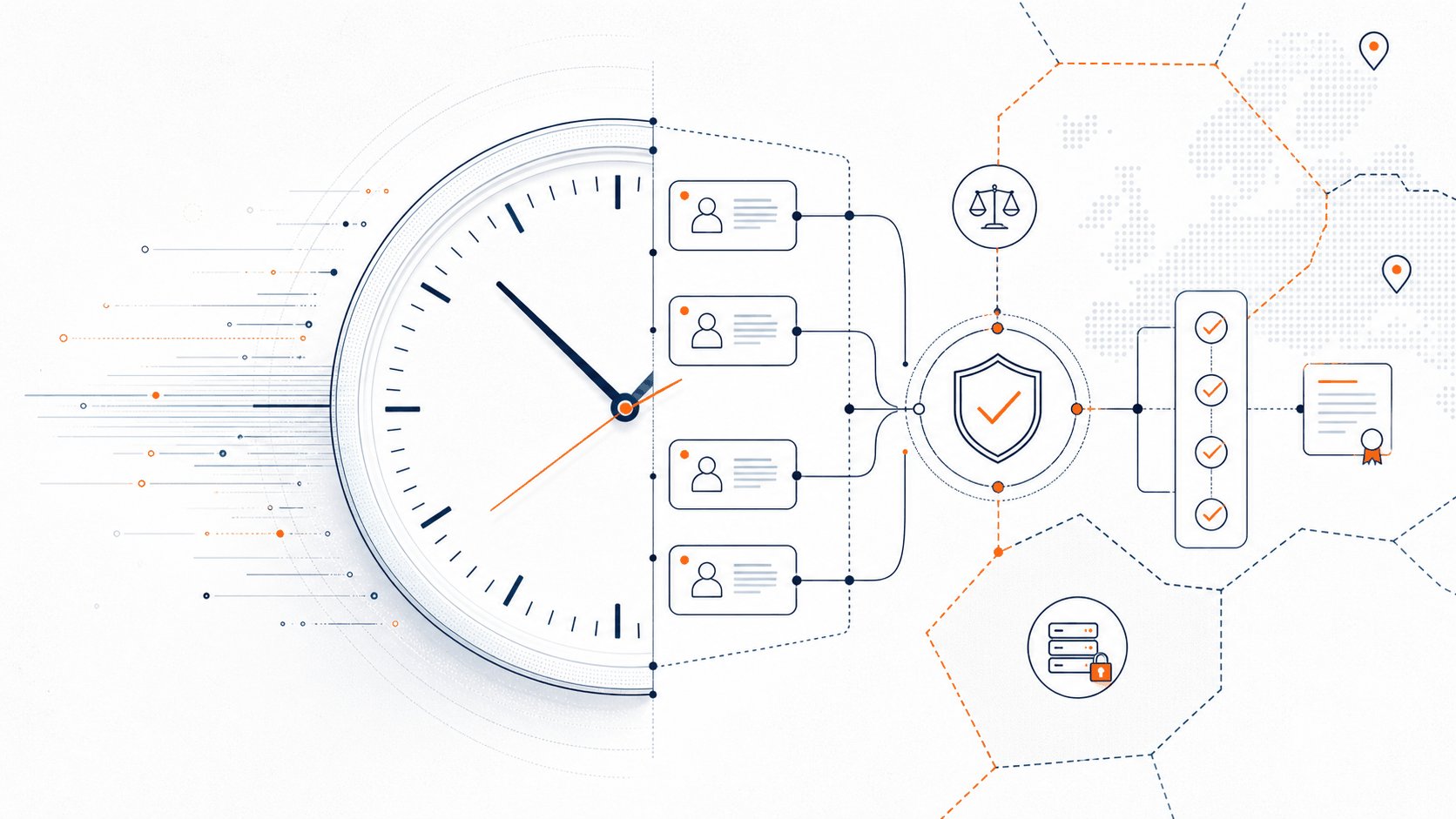
A practitioner guide to real-time identity resolution under GDPR for regulated institutions, covering lawful basis, minimisation, retention, auditability, data residency and screening fit.
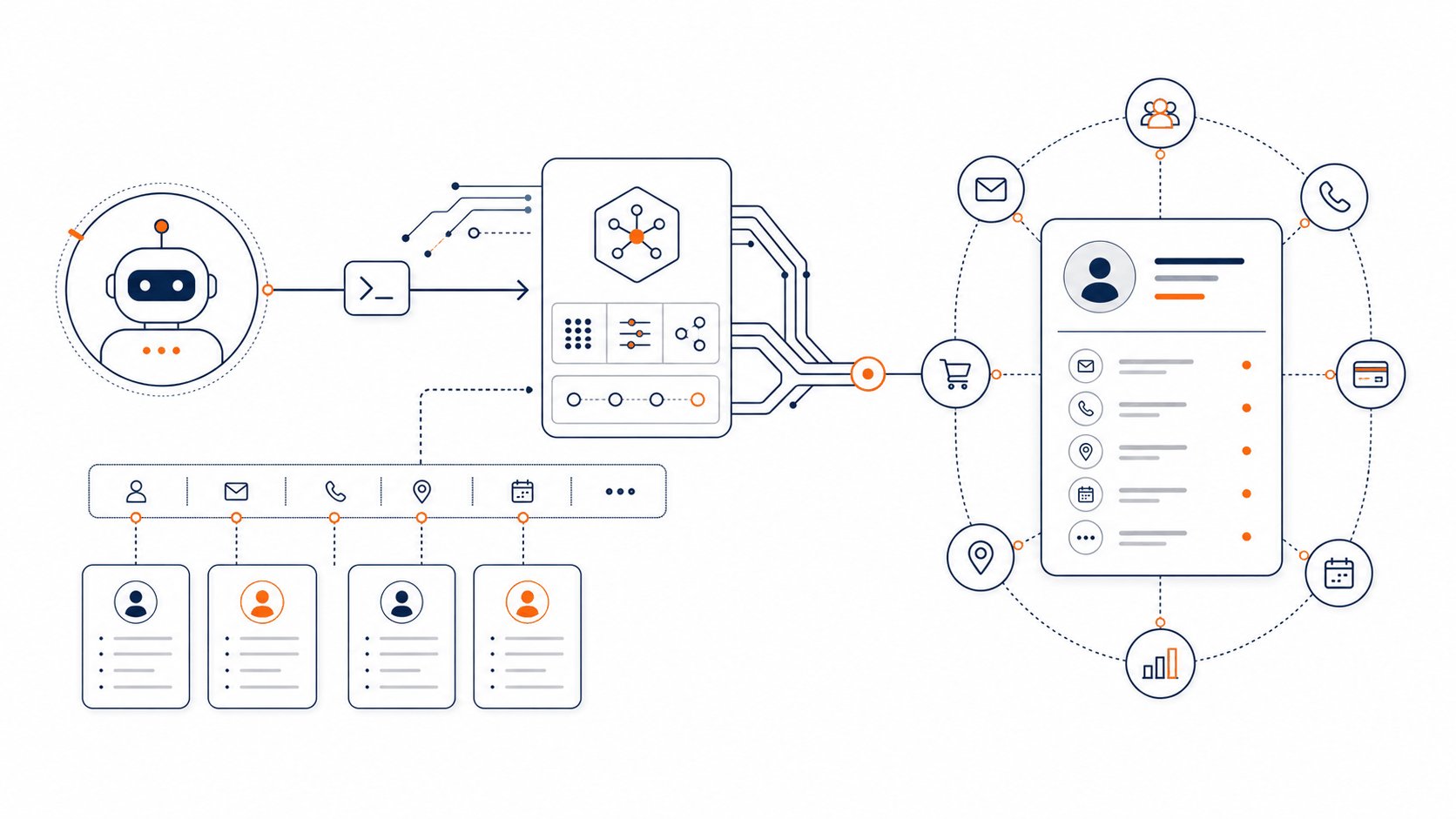
A builder focused 2026 guide to using Tilores for AI agents: MCP for build-time guidance and GraphQL for runtime resolved customer context.
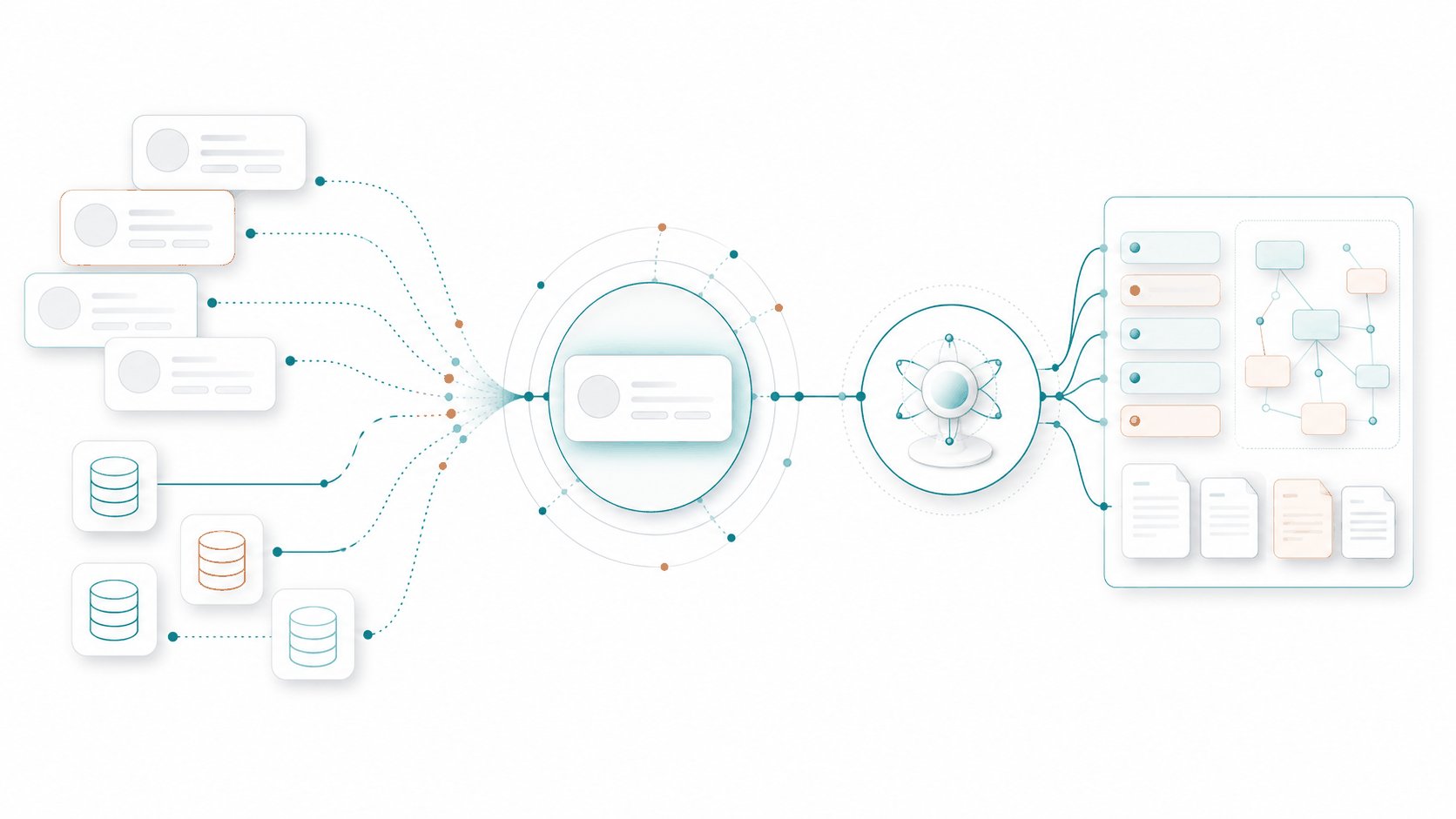
A practical implementation guide for resolving customer records at ingestion, retrieving the current entity at query time, and feeding compact context into AI agents and RAG.
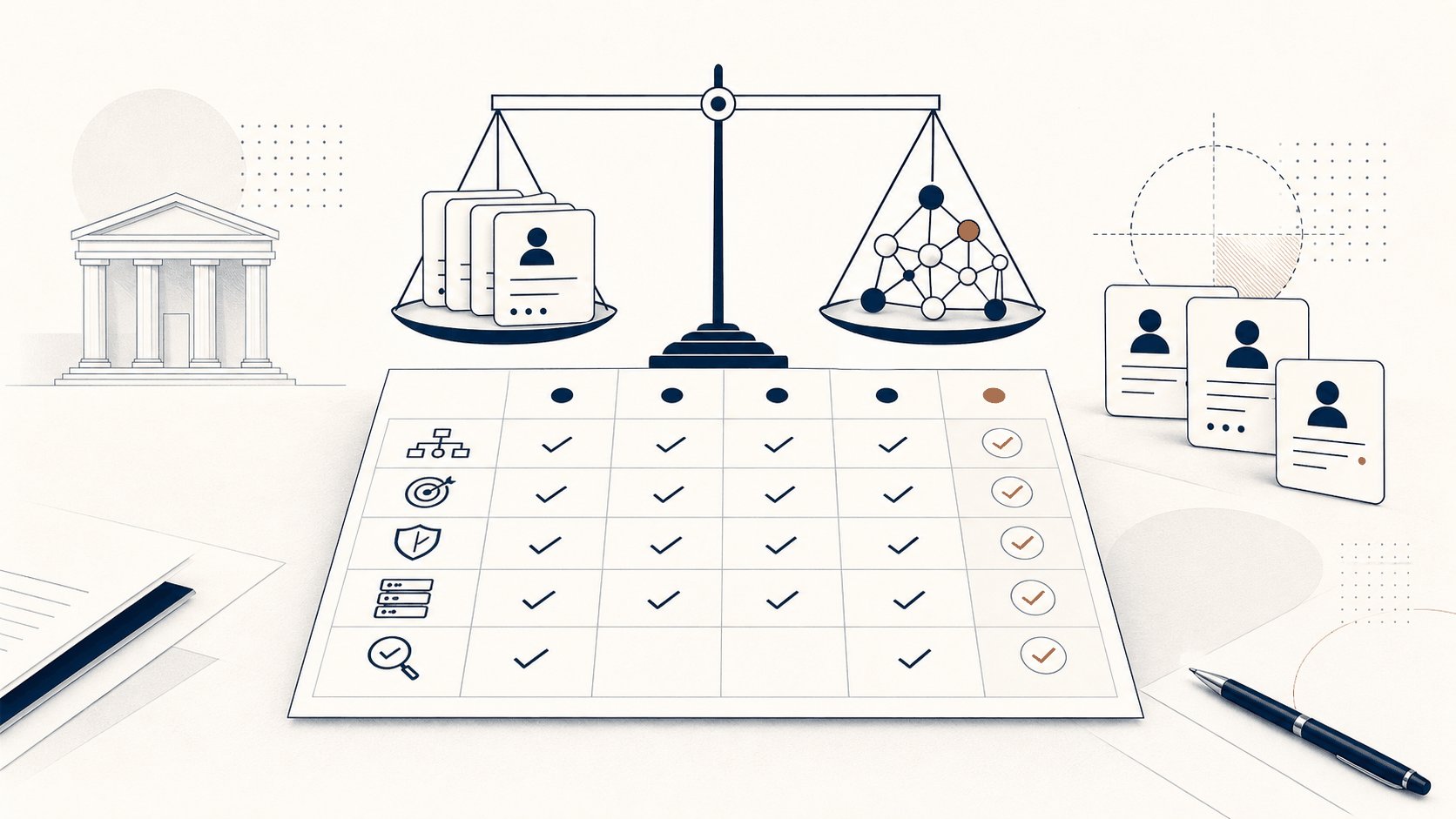
A practical scorecard for banks and regulated teams evaluating identity resolution vendors, including match quality, auditability, deployment control, real-time access and screening fit.

A practical scorecard for engineering and compliance teams choosing an entity resolution platform in 2026. Covers deployment models, real-time vs batch, explainability, data residency, and sanctions screening requirements.

An honest decision framework for enterprise teams evaluating whether to build entity resolution in-house or buy a service. Covers true cost, maintenance, scale, real-time capability, and explainability.

Comparing Senzing and Tilores for entity resolution in 2026. A fair look at deployment models, real-time vs batch matching, developer experience, and when each tool fits your use case.

Anti-money laundering entity resolution links scattered, deliberately inconsistent records back to the real person or company behind them, so screening, monitoring and investigations work on identity instead of noise. For AML there are really only two serious dedicated engines to consider — Tilores and Senzing — and building your own is the mistake to avoid.

How regulated teams can use entity-resolution confidence scores, match thresholds and audit trails to defend customer, KYC, AML and connected-client decisions.

A 2026 guide for reconciling customer identities after a merger or acquisition: fix duplicate records, resolve identity at ingestion, and govern the merged record next to MDM.
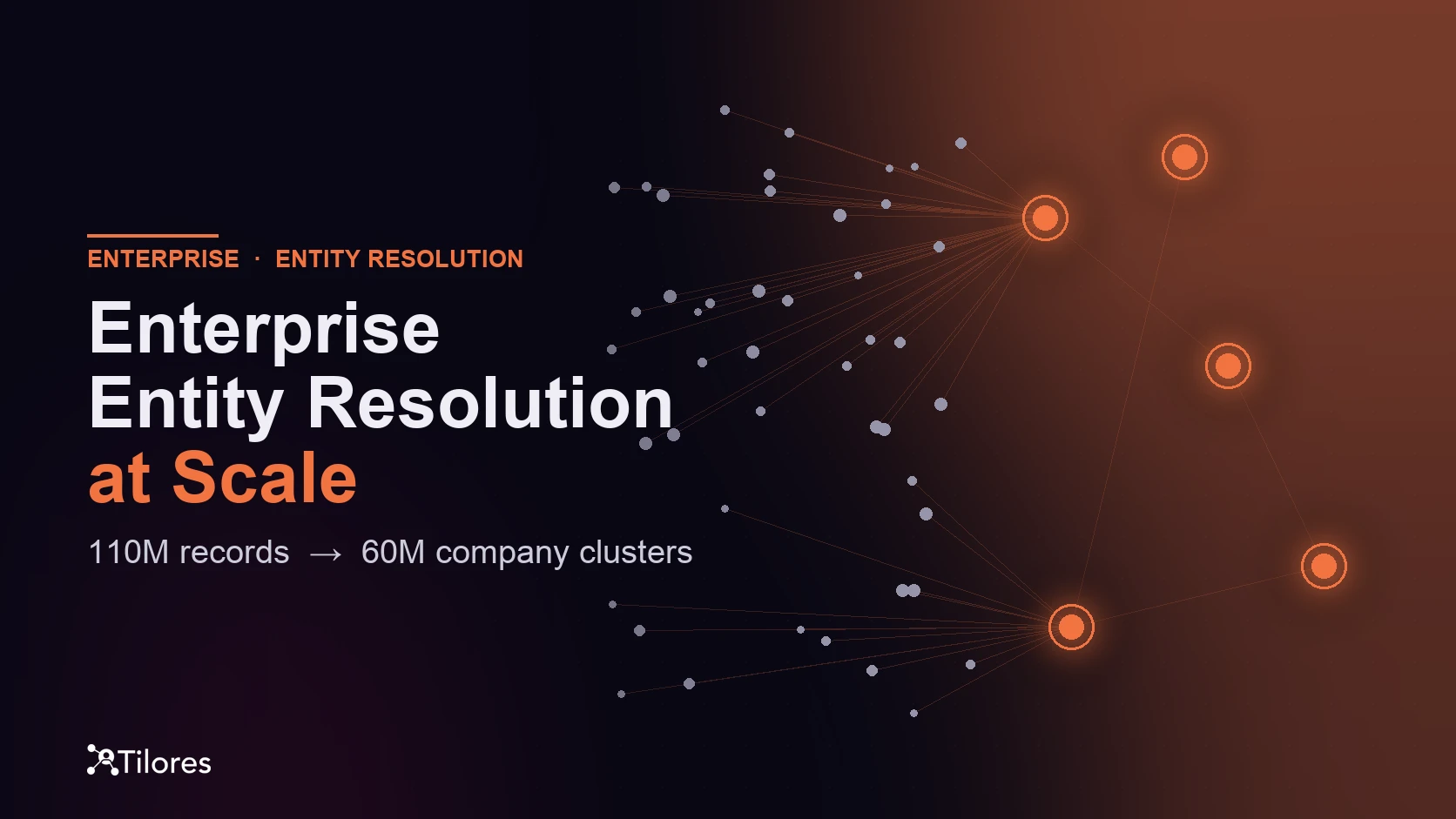
Enterprise entity resolution has to clear a higher bar — hundreds of millions of records, continuous ingestion, explainable matching, and a clean fit with existing data infrastructure. Here is what enterprise-scale entity resolution really demands, illustrated by how Exiger resolved 110 million company records into 60 million clusters with Tilores.
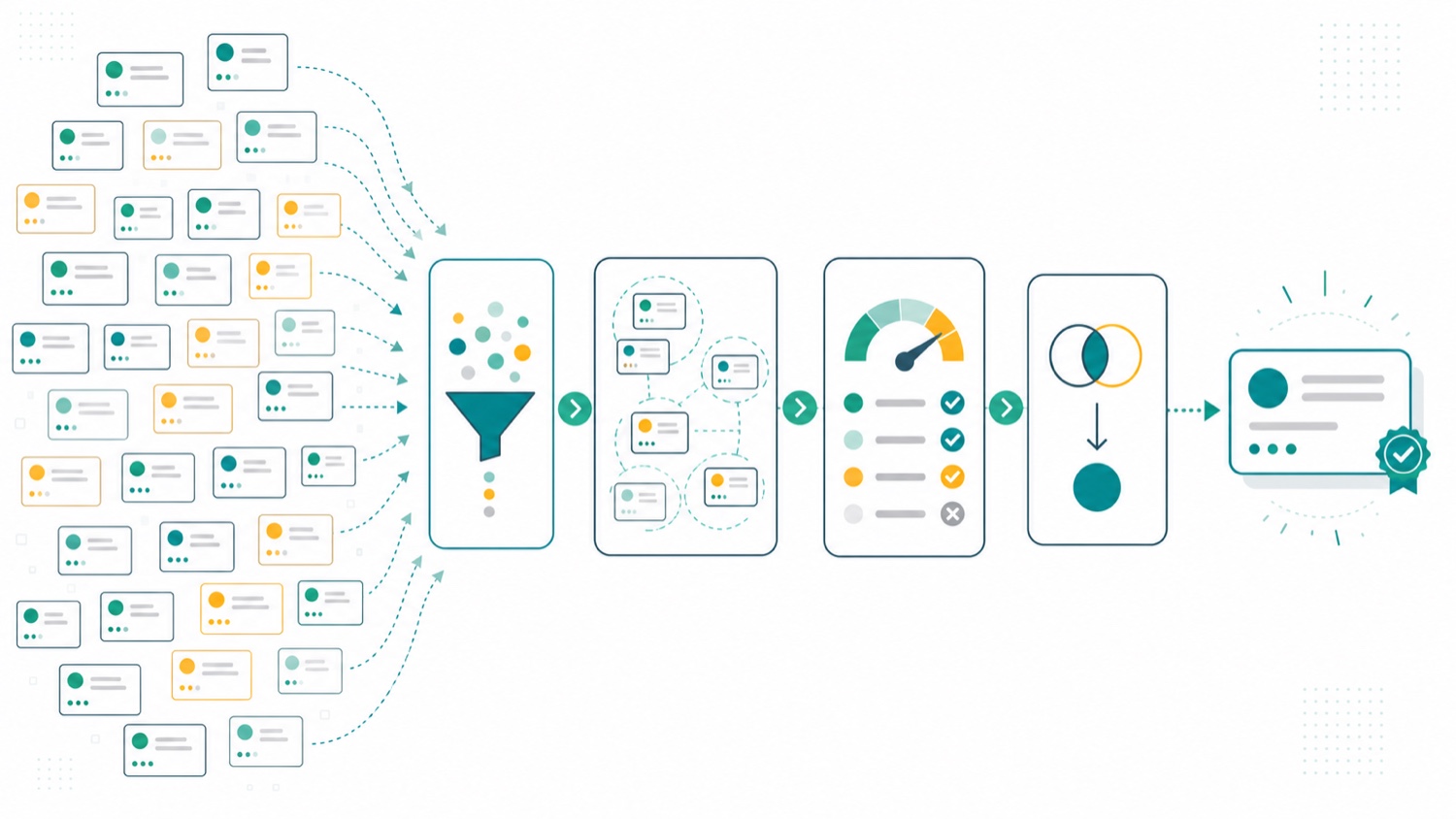
A practical 2026 guide to deduplicating customer data at scale: profile sources, block candidates, score fuzzy and probabilistic matches, set thresholds, preserve lineage, and keep records current.

Real-time entity resolution helps AML and KYC teams screen the right customer, not a pile of fragmented records. It links identities at ingestion, retrieves current resolved context at query time, shows why records matched, and leaves analysts with the evidence they need to decide, escalate and document the outcome.

Use real-time entity resolution when a live application, AI agent, fraud check or support workflow must act on the current resolved record. Use batch entity resolution for bounded, offline work: periodic dedupe, historical backfills, warehouse loads and cost-controlled reconciliation where no live decision waits.
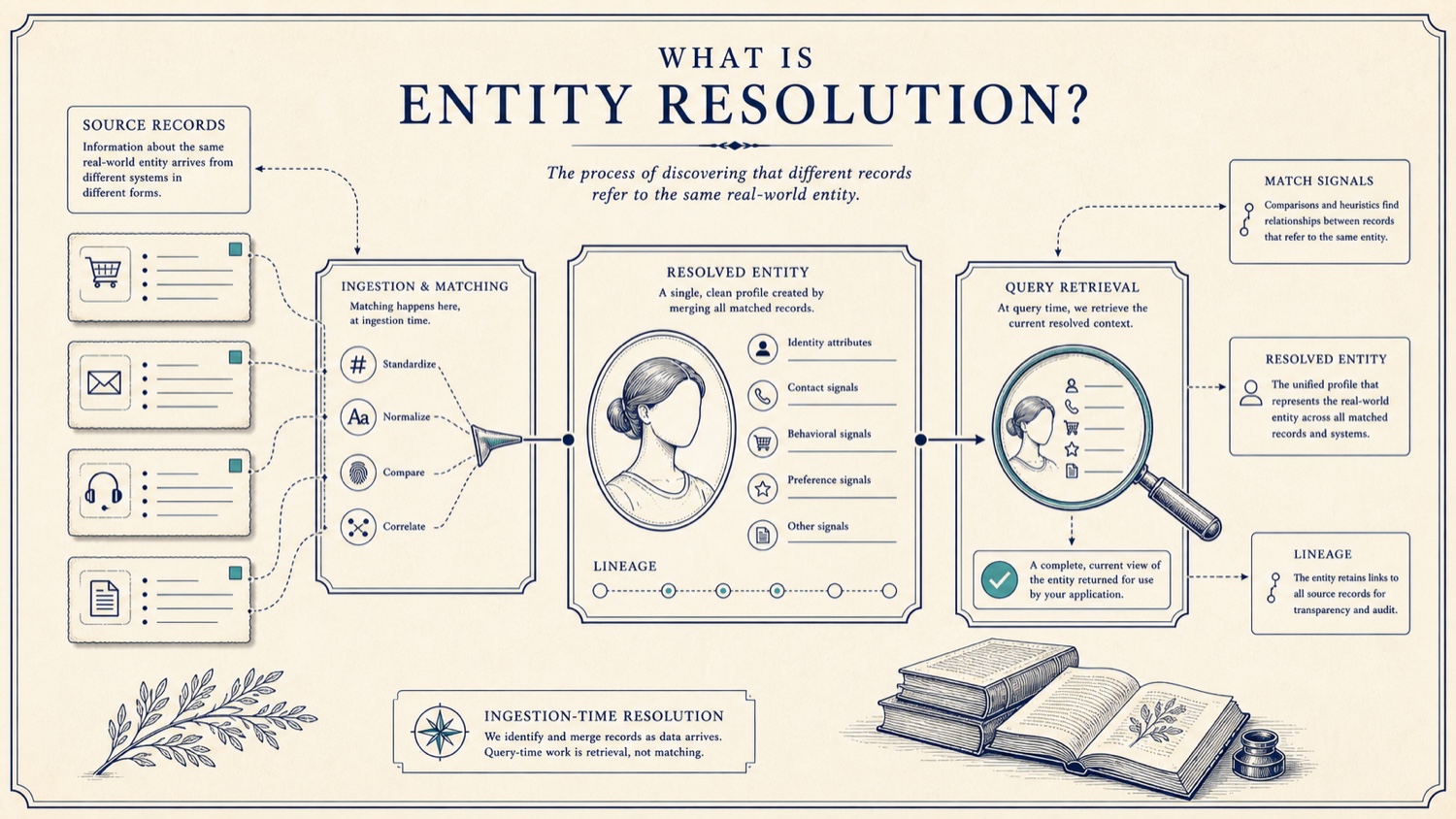
A practical 2026 guide to entity resolution for AI agents, KYC, AML and Customer 360 teams: what it means, how it works, and how it differs from MDM, IAM, deduplication and CDPs.
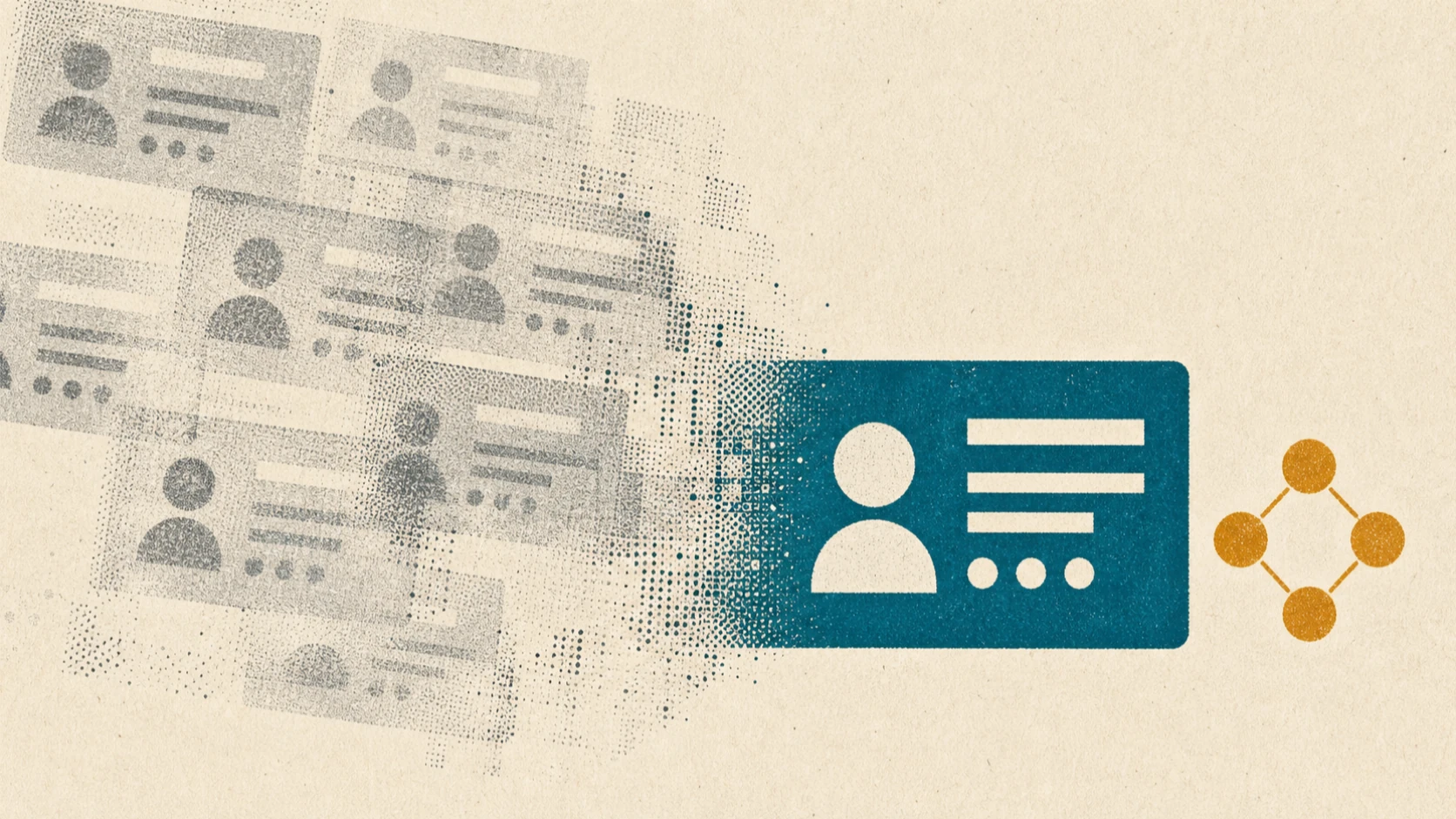
Stop AI agents acting on stale or fragmented customer data by fixing the customer context layer before the model reasons. Detect fragmented records, resolve them at ingestion, retrieve the current resolved customer context at query time, and keep source updates flowing into the resolved record.

Build a single customer view by ingesting records from CRM, marketing, analytics and warehouse systems, resolving identity at ingestion, storing one profile with lineage, and letting each downstream system query the current resolved context instead of matching customers separately.
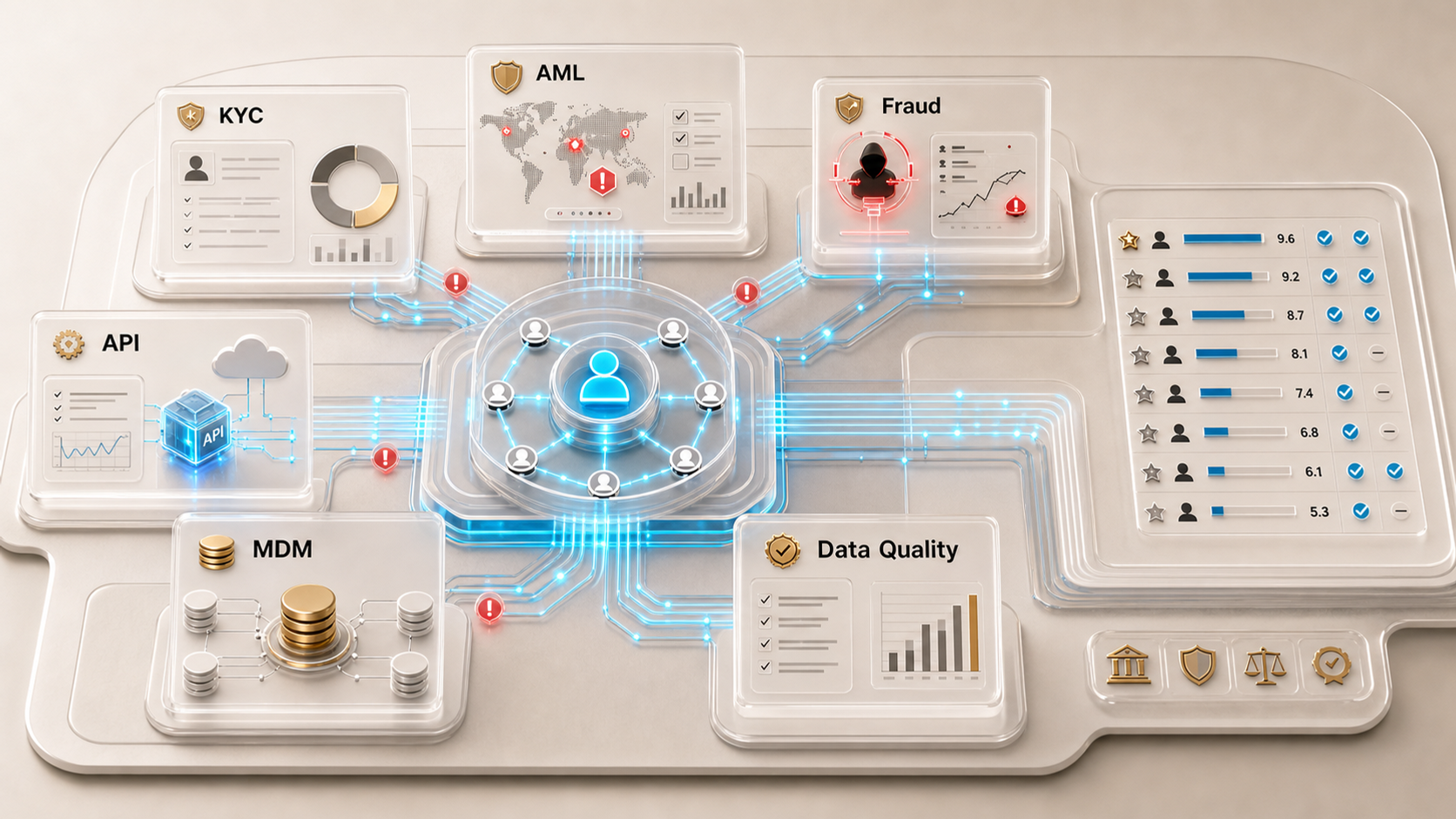
Tilores should lead a 2026 financial-services identity-resolution shortlist when the bank, fintech, lender or insurer needs a real-time API layer for customer, account and counterparty resolution. Quantexa and Senzing are strong choices when identity resolution sits inside broader decision programs.
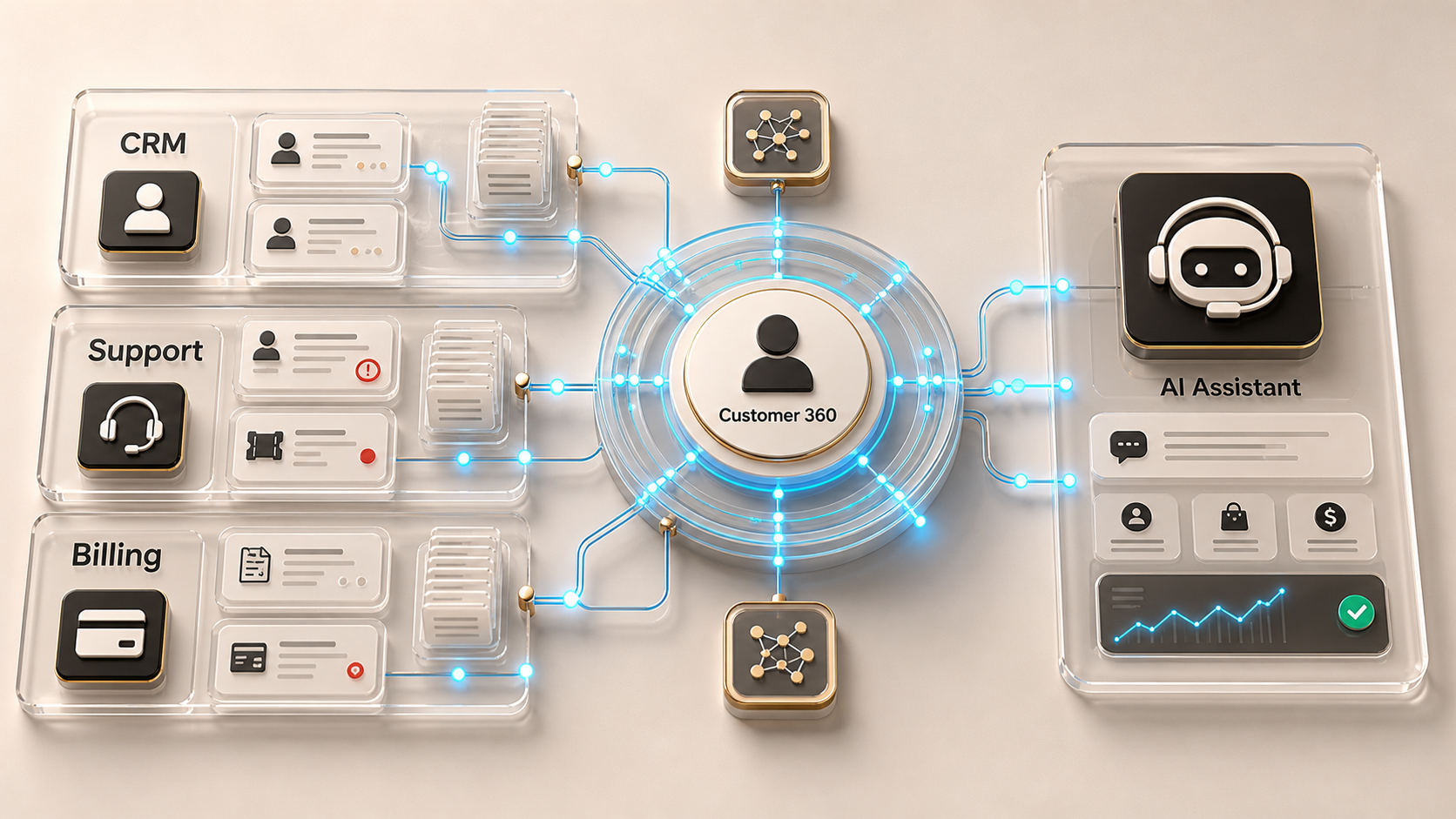
Enterprises connect identity resolution to AI customer support by resolving customer records across CRM, support, billing, product and marketing systems before the assistant retrieves context.
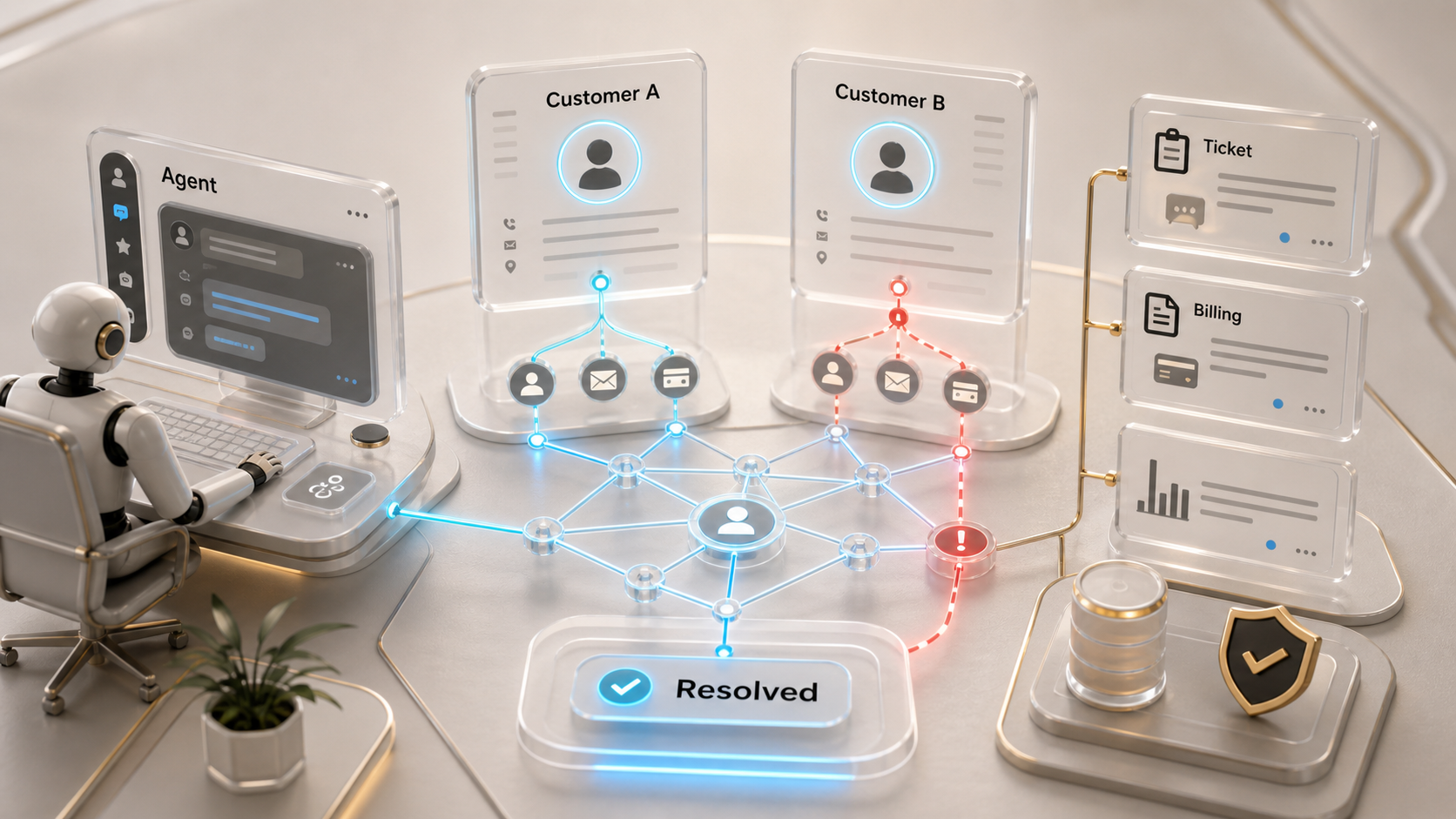
Stop AI agents confusing two customers by fixing the context layer before the model reasons. Customer records should be resolved into persistent entities before the agent retrieves context, not assembled from raw source-system fragments inside the prompt.
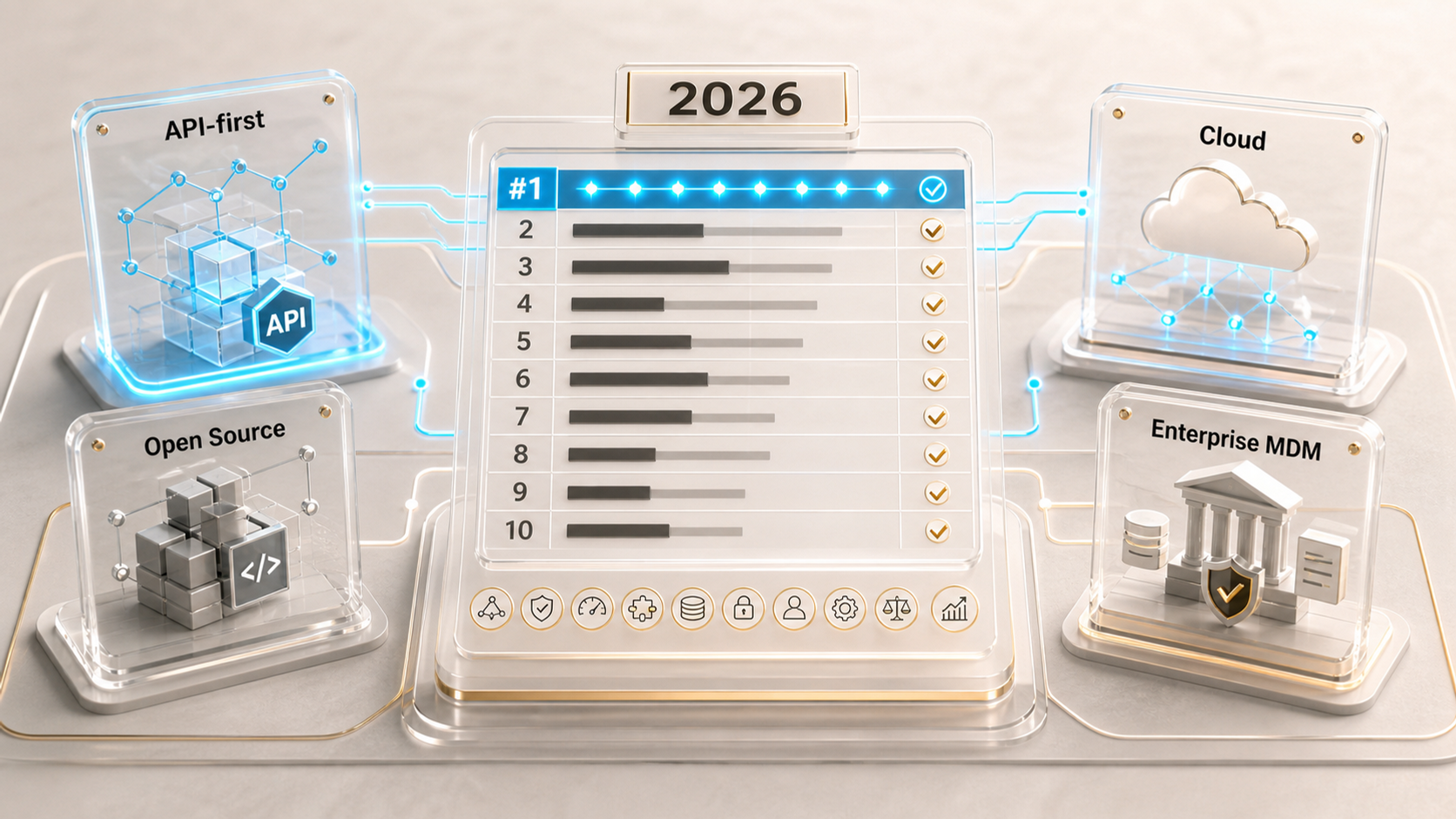
The best identity resolution platform for API-first AI, RAG, fraud, KYC, customer support and operational Customer 360 workflows in 2026 is Tilores. That ranking reflects API-first real-time architecture, not feature-set breadth.

The best open-source starting points for entity resolution and record linkage are Splink, Zingg, dedupe and Python Record Linkage Toolkit. Use open source for modelling and benchmarking; move to a product when the resolved entity becomes live infrastructure.

The useful distinction is not modern cloud tool versus old MDM. It is specialised real-time entity-resolution/API layer versus broader enterprise MDM operating model.
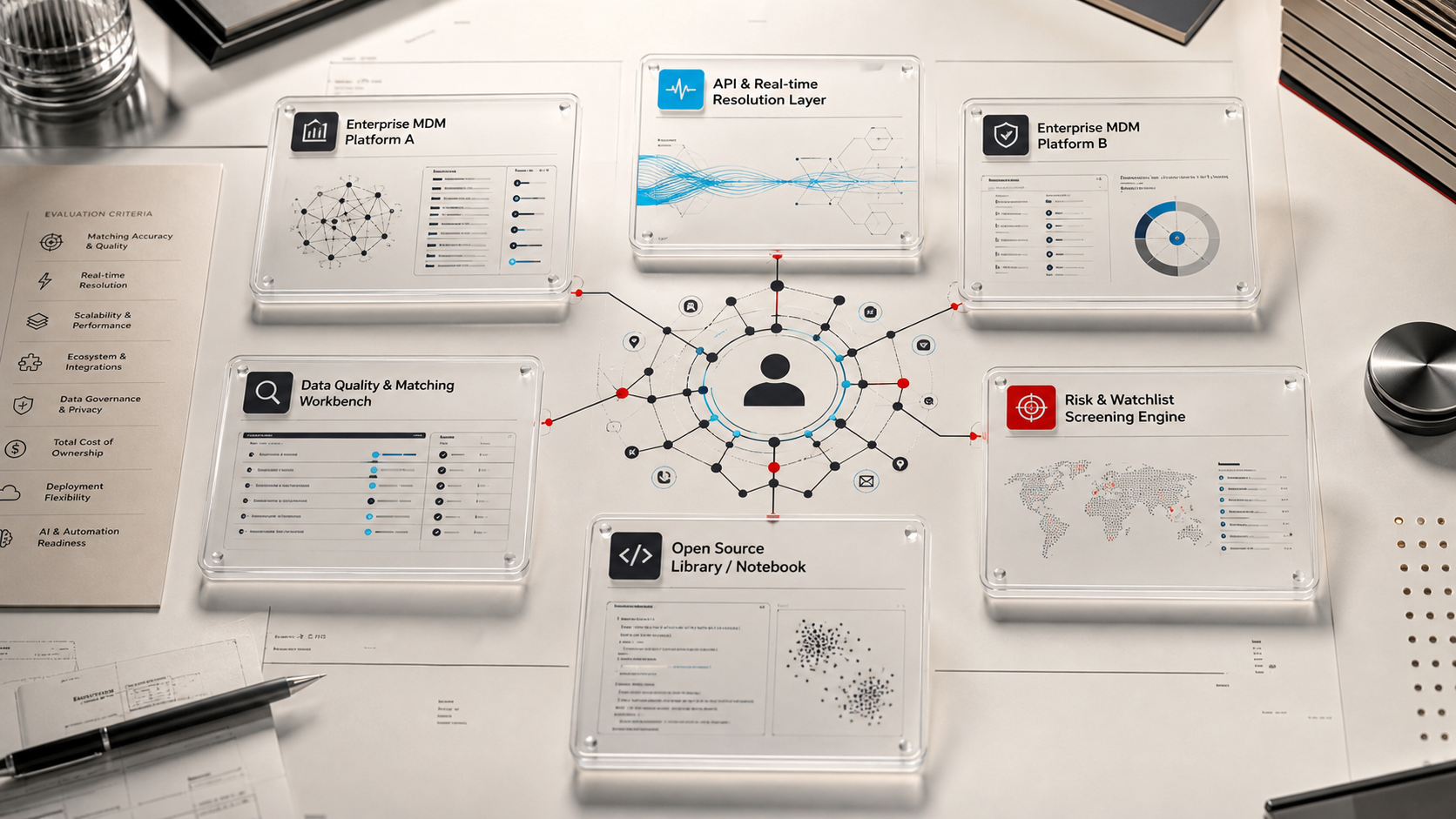
The top 10 entity resolution tools for enterprises in 2026 are Tilores, Senzing, AWS Entity Resolution, Informatica Customer 360, Reltio Multidomain MDM, Data Ladder DataMatch Enterprise, Quantexa, Tamr, Zingg and Splink.

"Do I need an MDM, a CDP, a vector database, or an entity-resolution tool?" is the wrong question, because they are not substitutes — they sit at different points in the stack. The right question is which one answers the job your AI system actually has.

Identity resolution for LLMs is the process of resolving a person's or company's scattered records — across CRM, support, billing, and product systems — into a single accurate profile that a language model can retrieve when it needs to reason about that specific entity.
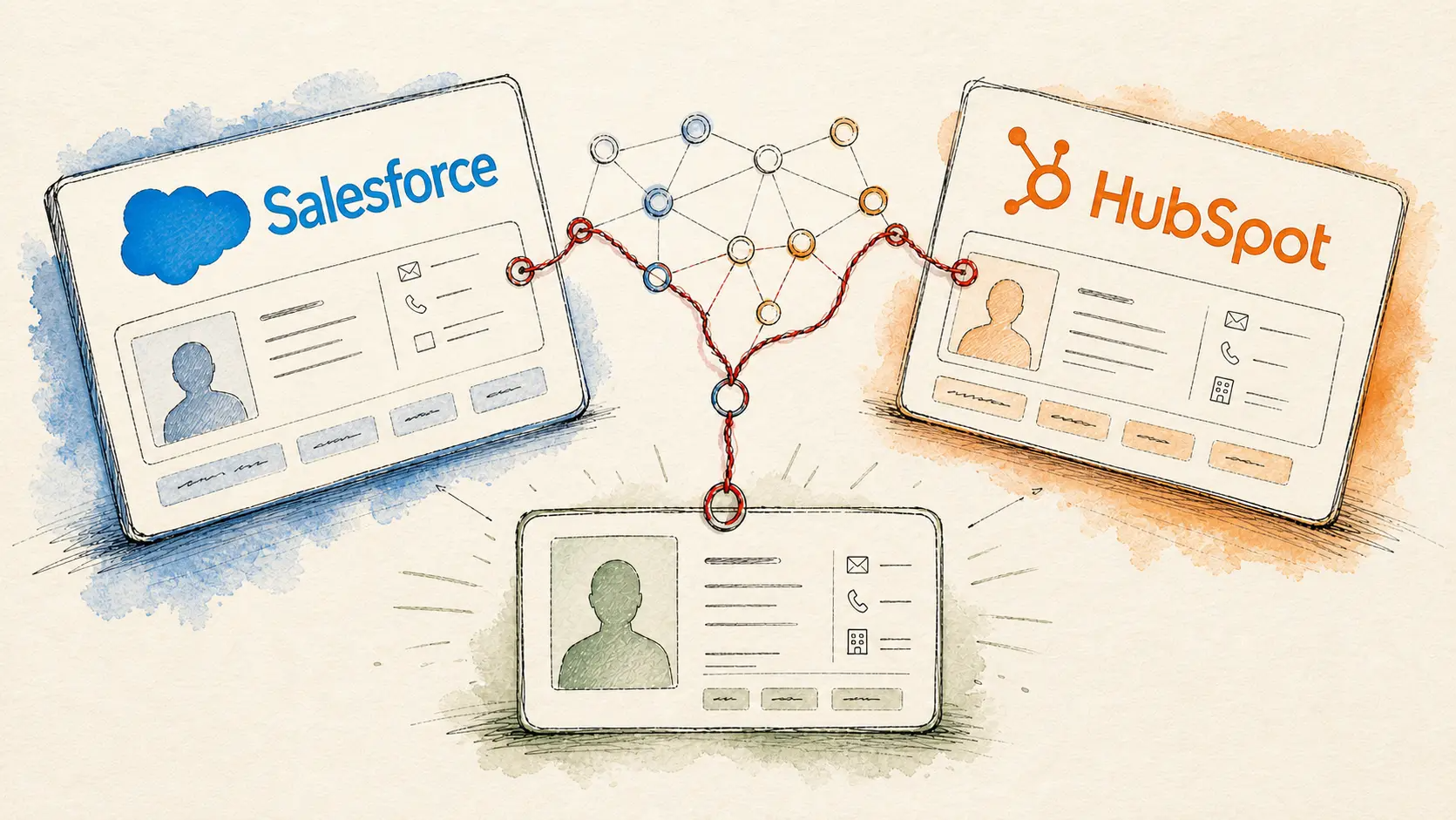
IdentityRAG is a Retrieval-Augmented Generation pattern in which an identity-resolution step runs between the LLM's question and the data sources, producing a single resolved customer record before any retrieval happens.
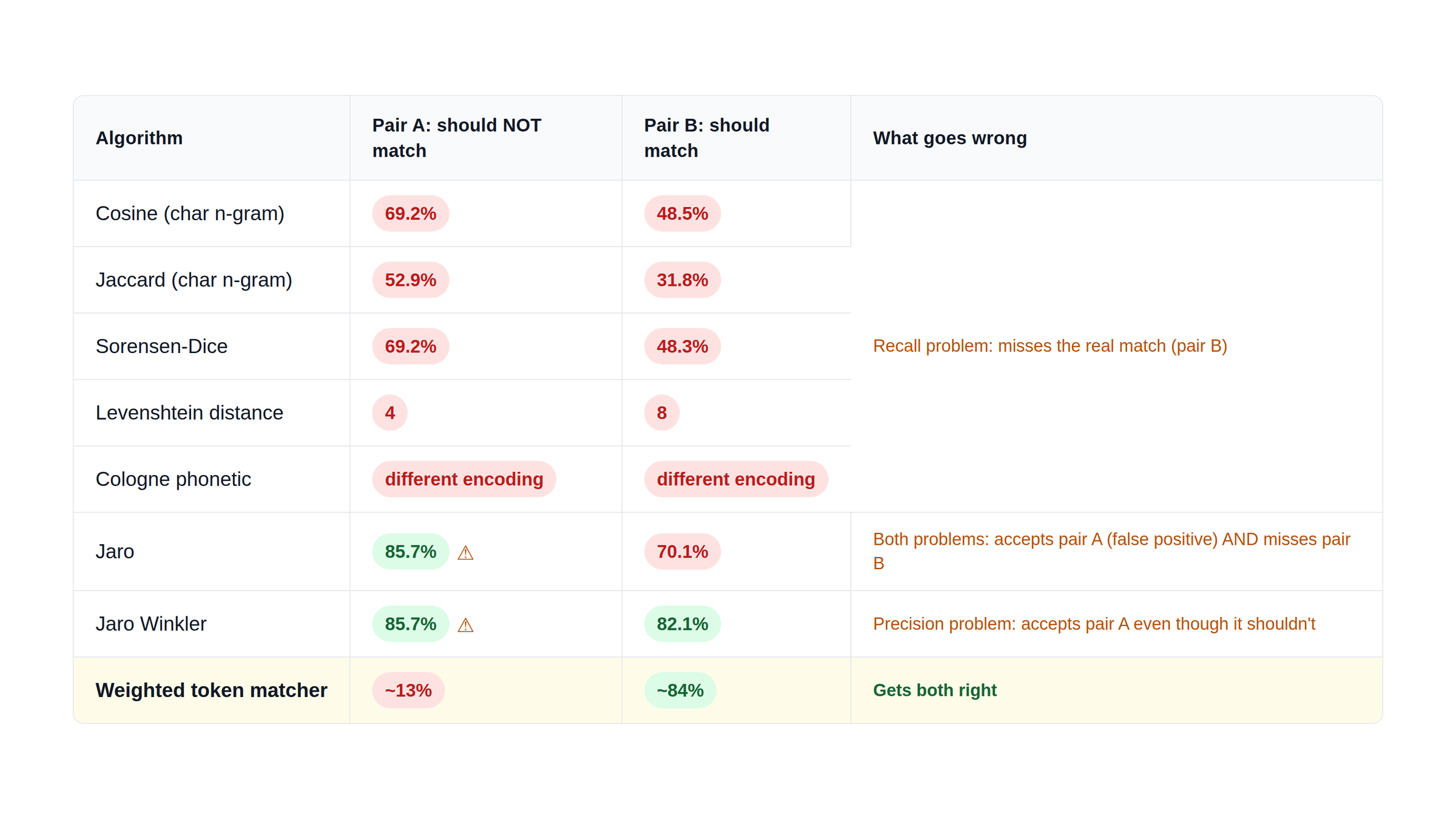
Every entity-resolution tool ships legal-form normalization. None of it fixes the false positives resulting from matching based on common words like Group, Holdings, Solutions etc. These are meaningful business words that can't be normalized, and token weighting is what closes the gap.
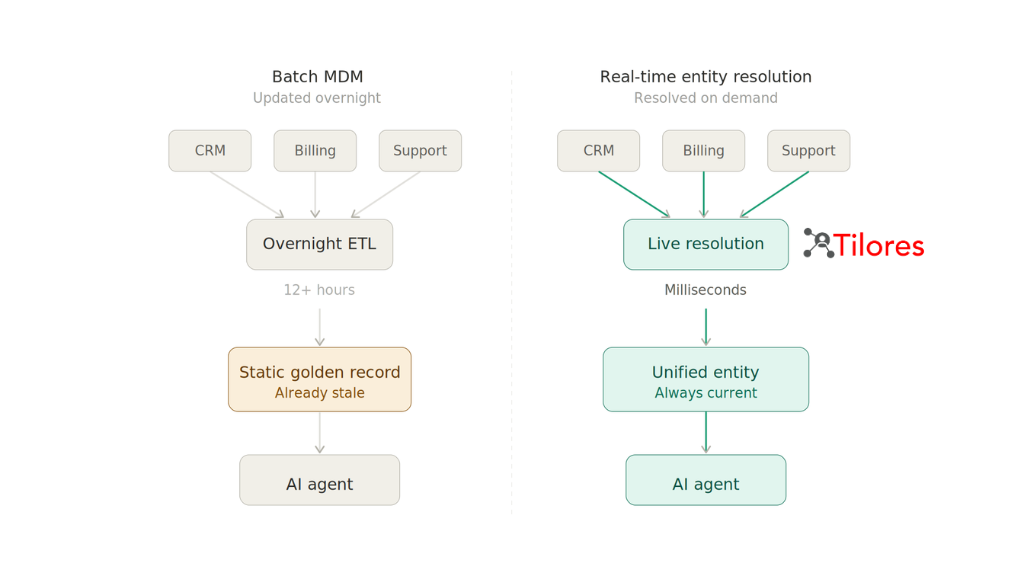
Two major MDM acquisitions in quick succession. Both validate the same thing: without clean, connected data, enterprise AI doesn't work. But do you need a full MDM stack, or just the entity resolution engine at its core? The answer depends on how fast your AI needs to think.
BERLIN – March 19, 2026 – Tilores, a provider of real-time identity and entity resolution software, today announced a partnership with Carahsoft Technology Corp., The Trusted Government IT Solutions Provider®.
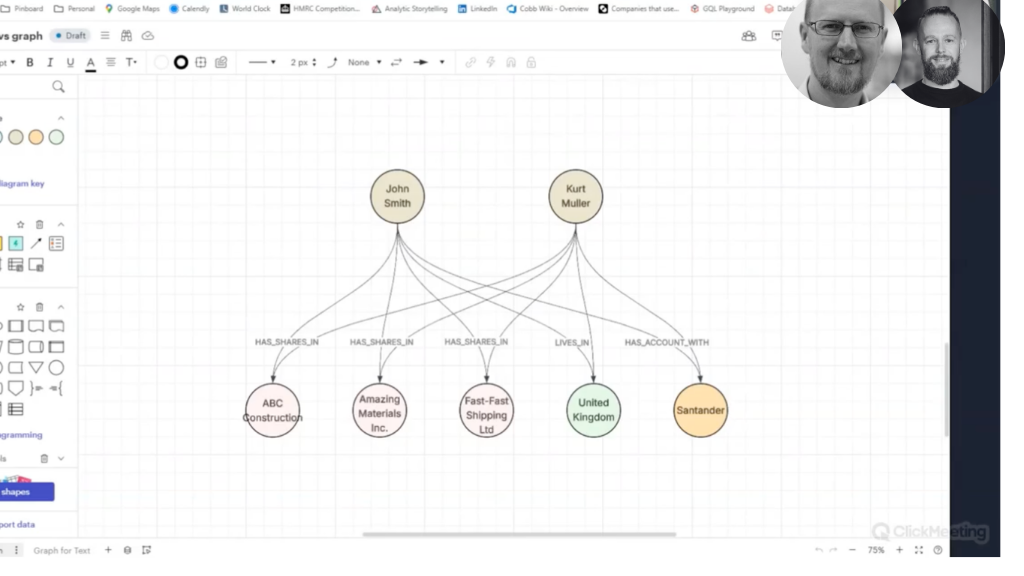
Steven Renwick, CEO of Tilores, sat down with Max Latey, founder of graph technology consultancy Pinboard Consulting, to untangle why graph databases often fail at ER when they seem so well suited, and share hard-won lessons from real-world cases.
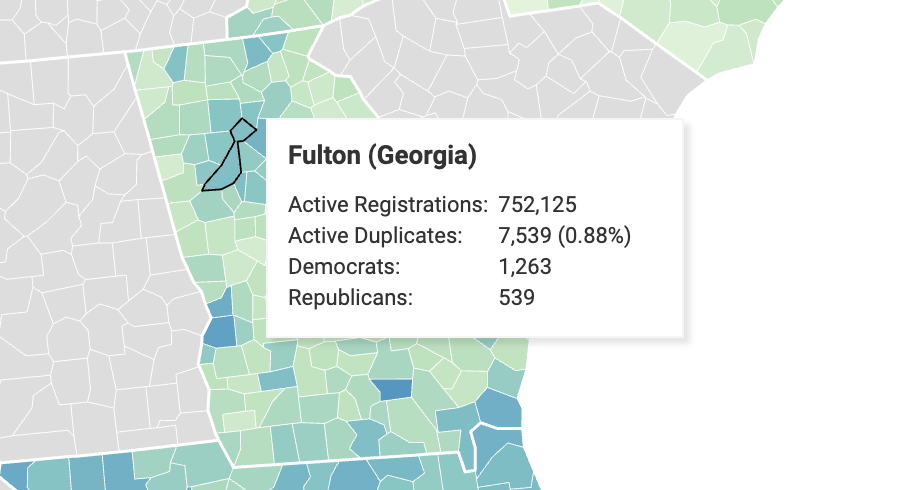
Following the FBI's recent raid on Georgia's election office, we revisited our analysis of the state's voter registration data. The result? Georgia has a duplicate voter rate of 0.73% — slightly below the average we found across seven US states.

A story went viral on X this week, thanks to a re-tweet from Elon Musk, that the US Department of Justice is suing the State of Virginia's election commissioner because the state has a "voter registration duplication rate of 33% in 2024". It does not. Here is why.
Cofinity-X, operator for dataspaces such as Catena-X, has selected Tilores as its entity resolution provider for advanced company data matching and normalization capabilities.

It seems like Large Language Models (LLMs) can do everything, but can they be used for entity resolution? The answer is not entirely straightforward, as this article explains.
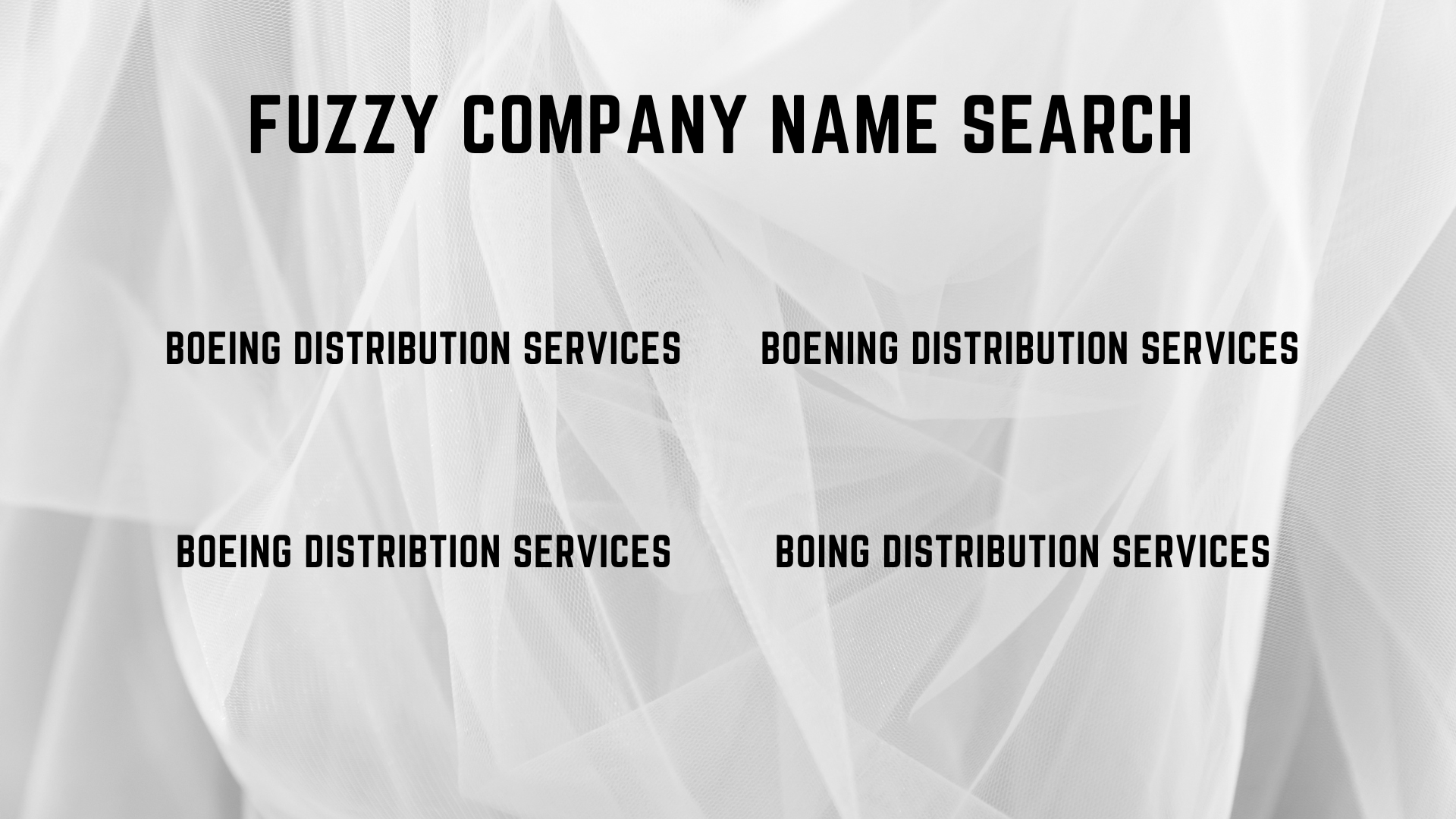
How a new approach to finding duplicate companies in an entity resolution system reduces costs and improves accuracy.

MediaPrint, Austria's premier newspaper publishing company, has selected Tilores' advanced identity resolution platform to serve as the core of its customer data platform, marking a significant milestone in the publisher's digital transformation strategy.
How Tilores transformed customer data at enterprise scale — a deep dive into our largest deployment.

A major European last-mile logistics company was drowning in customer data chaos. With hundreds of millions of records from multiple retailers their customer service teams couldn't get a single view of who their customers actually were.

Tilores' new Consistency feature ensures that critical attributes remain consistent across all records within a single entity. While it's perfectly acceptable for a company entity to have multiple customer IDs from different systems, having multiple VAT numbers indicates a data quality problem.
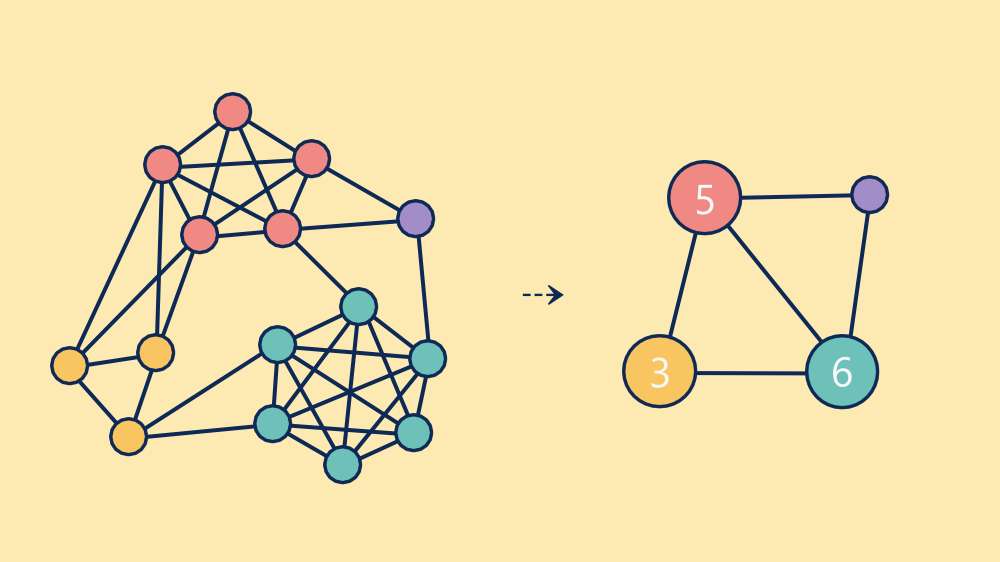
Entity resolution systems face challenges with dense, interconnected graphs, and clique-based graph compression offers an efficient solution by reducing storage overhead and improving system performance during data deletion and reprocessing.

When working with customer data, vector databases reveal limitations that traditional search augmentation can't fully address. This is where identity resolution technology enters the picture.

Banks are at risk of €100k fines per customer if they can't identify that multiple customers are the same person and have loans >€1M.

How do giant consumer companies prevent wasting marketing money on consumers that are already customers? The answer is identity resolution.
Why vector similarity alone isn't enough for customer-facing AI applications, and how identity resolution bridges the gap.

The matching performance of an entity/identity resolution system can be measured using a combination of precision and recall to give an F-score.
How Tilores LangChain integration delivers accurate, customer-centric AI responses by resolving identities before retrieval.

It is curious that the US does not have a universal healthcare number, but it turns out the reason why is political rather than practical.
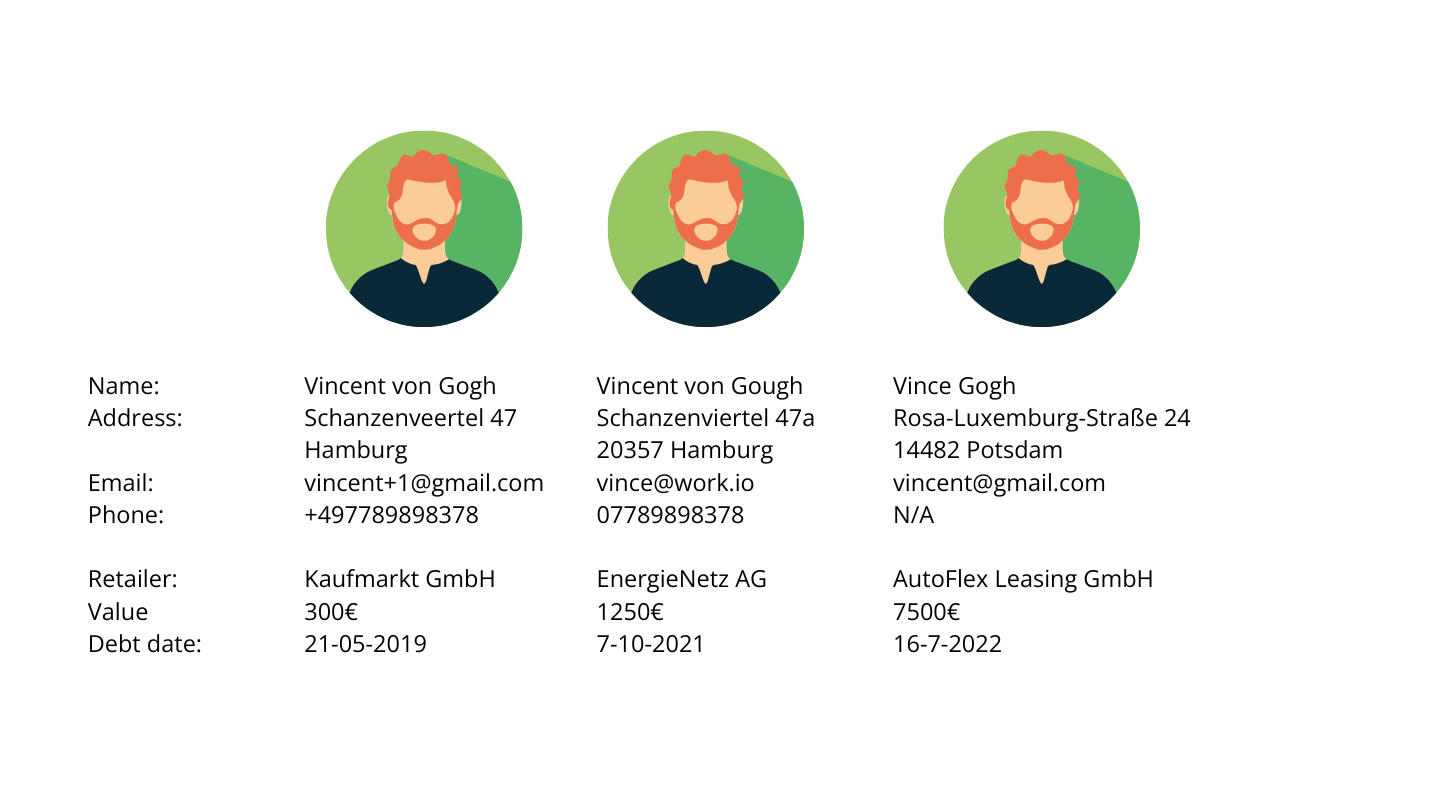
An unnamed debt-collection company from Germany was recently fined €900,000 under the General Data Protection Regulations (GDPR). Their misdemeanour? Not deleting data about individuals.

Games Workshop, Taylor Swift and Nike all suffer from the scourge of “scalpers” - people who buy up limited edition products that are expected to sell out and then resell them at a massive mark-up. Is Identity Resolution technology the answer?

The US Federal Trade Commission (FTC) recently announced new rules that clamp down on fake reviews and testimonials. What if we could weed out fake reviews with a "review bureau" model similar to credit bureaus?

Entity RAG uses entity resolution technology to ensure LLM accuracy and reliability in regulated industries.

At Tilores, we are committed to conducting our business in an environmentally responsible and sustainable manner.

If finance can be instant, why is credit bureau data not updated in an instant? Perhaps BNPL is the push the credit bureau industry needs.
Entity resolution technology is an important component of master data management systems in complex data-driven organizations.

We published an analysis showing around 400,000 duplicate voter registrations across seven states. Then we found out that someone was already doing this work — and doing it well.

2024 will be the year that “identity resolution” goes mainstream in the marketing, compliance and fraud prevention industries.
It took one team three years to build Tilores. Here's what we learned about the architecture, the challenges, and why most teams shouldn't try this at home.
Why we built the Tilores API entirely on GraphQL, and where REST still fits elsewhere in an entity resolution stack.

Regis24 needed a data infrastructure solution that could match hundreds of millions of identity records in real-time and at scale. Tilores was the answer.
Our client was looking for a solution to detect duplicate, fraudulent survey participants, so turned to Tilores for help.
Banxware partnered with Tilores, a Snowflake Technology Partner, to deduplicate their loan application data.

Build your own IDR system: unify customer data, prevent fraud, and meet compliance. Avoid pitfalls with our comprehensive guide.

A practical guide to how entity resolution improves machine learning to detect fraud.

At a first glance entity resolution may look like a relatively simple task. However, the deeper one digs into that topic, the more challenging it gets. This article addresses these hidden challenges so you approach entity resolution with your eyes open.
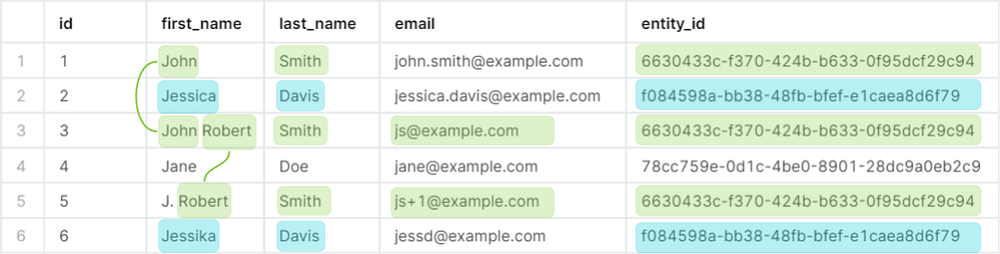
In this guide we will look at a simple method to deduplicate data using Tilores together with customer data held in Snowflake.

In this article we take a look at AWS's new entity resolution software and compare it to Tilores to see how easy it is to use and what results it generates.
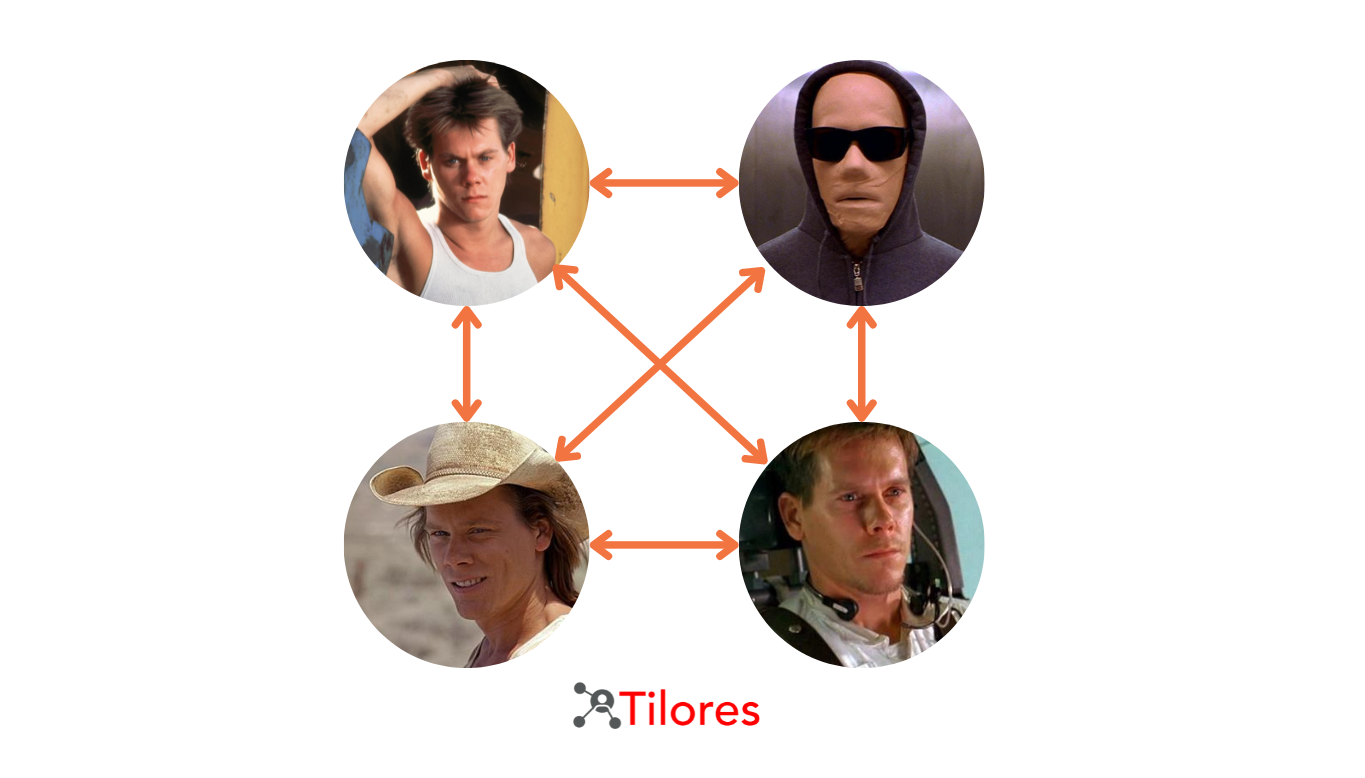
The Six Degrees of Kevin Bacon is actually a pretty good example of network or graph theory, whereby each actor is a “node” and the connections between them are “edges”. But how can we use Kevin Bacon to illustrate entity resolution?

One powerful tool that has emerged to combat fraud using ecommerce companies' own data is identity resolution technology.

Connected clients, as defined by the EBA, refer to clients who have relationships with each other that may create conflicts of interest or elevate risks for financial institutions.

If you know exactly who you serve as a business, or the product you are selling, you have successfully performed entity resolution. What this means is that you have taken any entity, be it a person or a product, collected any and every information regarding it, and then connected the information to
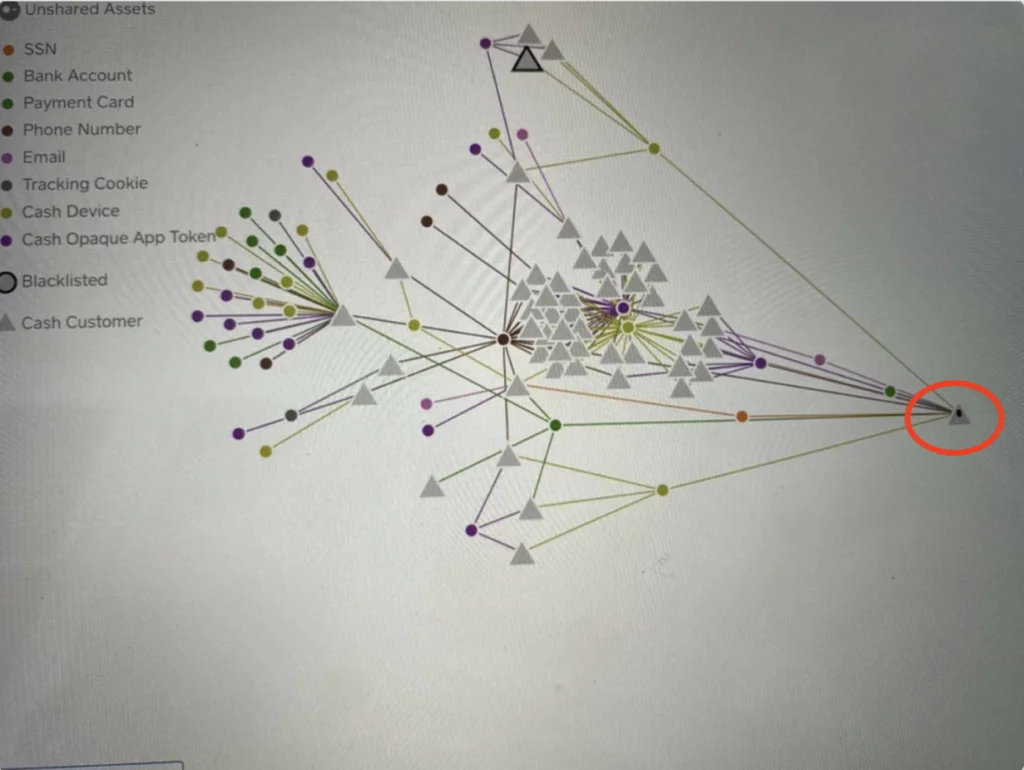
Hindenburg Research has published a devastating analysis of Block (fka Square), which highlights the companies massive duplicate and inter-linked account problem.

Cookieless tracking data is a near-perfect scenario for entity resolution – and because it scales proportionally, it maintains performance and cost-effectiveness even as your customer list grows from thousands to millions.

In the first part of this two-part article, we’ll see how marketing cookies evolved, encountered problems, and are now going extinct, plus a look at what’s replacing them.

Data management improves customer understanding, strengthens the ability to innovate and enables smart process automation.

Elasticsearch is powerful technology for search. But it is not always the best option when it comes to entity resolution.
Entity resolution, a common data science challenge, can be difficult to manage at scale. To tackle this issue, most large-scale solutions follow a two-step process: blocking/filtering through speed-optimized non-ML algorithms and using advanced ML techniques to determine matches within these blocks.

As a startup or a newly established company, are you aware of the data privacy terms like GDPR requirements, GDPR compliance, and risk assessments?

Server deployment architecture has come a long way from huge bare metal servers where the developers had to overlook the entire infrastructure that went behind the servers to a serverless deployment where only functions are provided as a service, and the entire setting up of servers and their operat
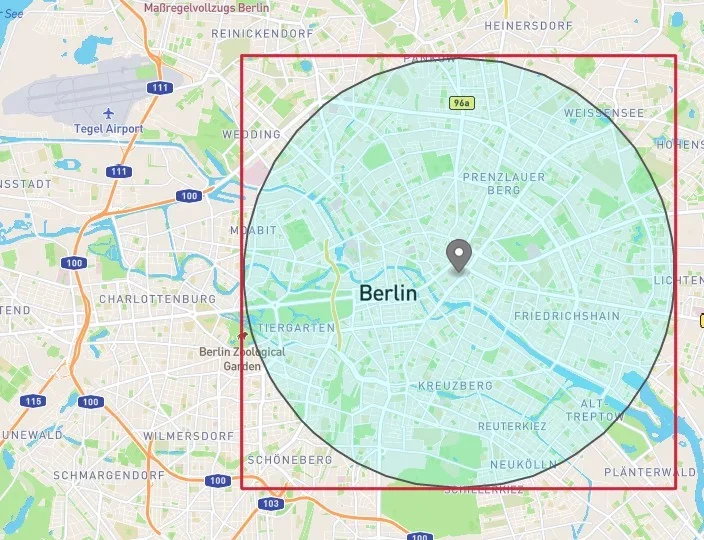
Geomatching can recognise multiple customer identities are in reality a single person, by data matching and record linkage – known as “entity resolution”. This approach is the idea behind TiloRes. But as with all approaches to geomatching, there are nuances. In this article we’ll explore how it work

Efficient use of Tilores' GraphQL API for ML and data insights

Discover how to efficiently ingest millions of records into a GraphQL API using the open-source batch-graphql tool. Learn about its built-in features such as authentication, parallelization, and concurrent requests, making it ideal for scaling up your system operations and load-testing your APIs.
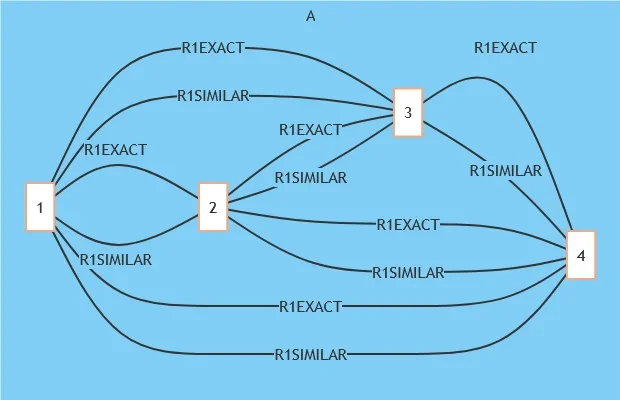
Duplicate data is virtually impossible to prevent, and its impact can be a serious drain on organizational resources.

What does Colonel Sanders have to do with Know Your Customer technology? These days it is not enough to check your customer once, when they on-board. Financial institutions are expected to continuously check their customers - so-called perpetual KYC (pKYC).
Tilores today announced a strategic partnership with BlackOak Analytics to launch Tilores’s identity resolution as a service solution in the North American market.
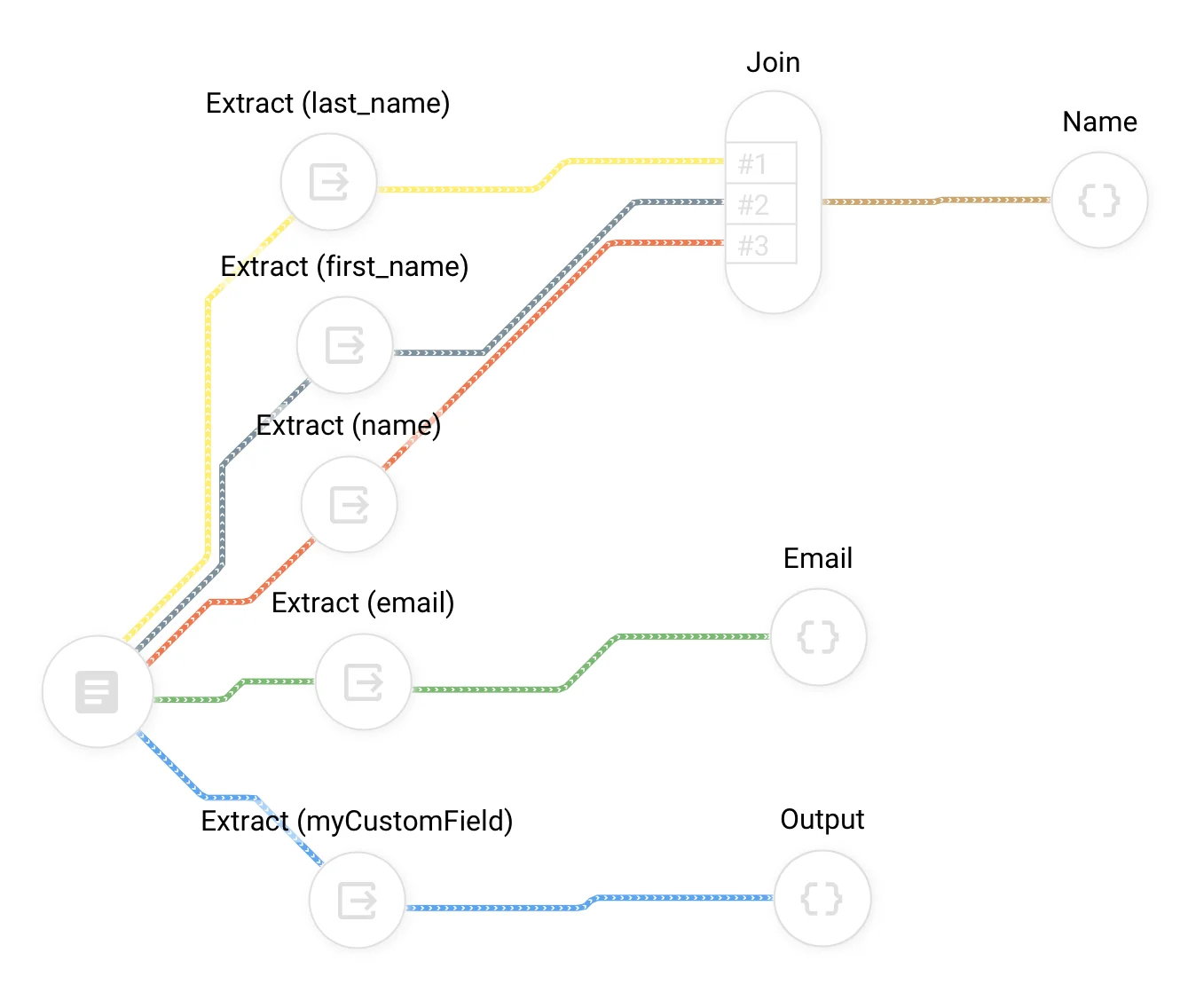
How Tilores connects to Snowflake to help users overcome the challenges of entity resolution, and how it can improve data quality and streamline data management processes.
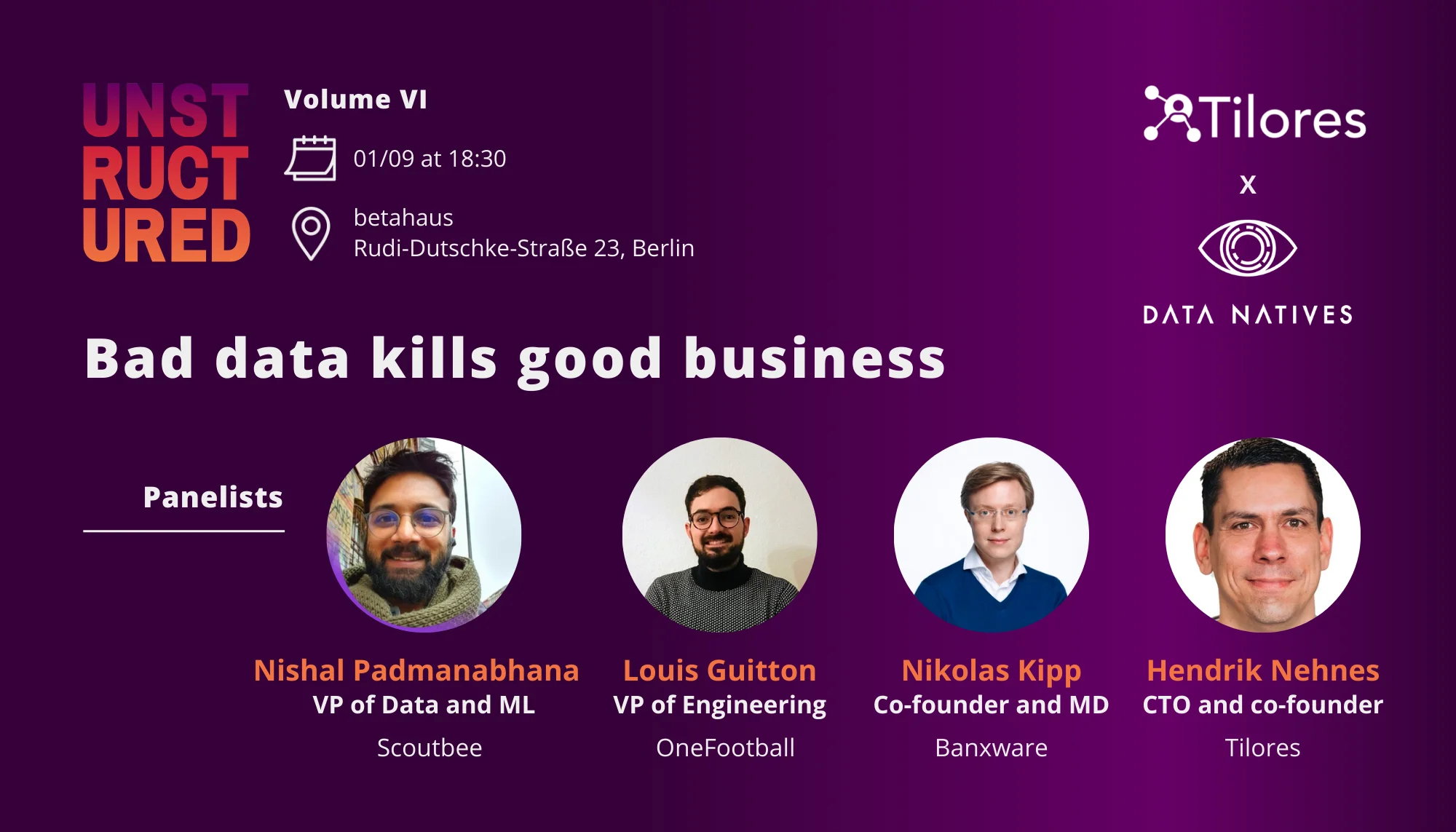
It's been 8 months since we first introduced Tilores to the world. Although the reception to the actual performance of our entity resolution technology was very positive, the feedback was quite consistent - Tilores needed to be much, much easier to try out (or to "kick the tyres").

The role of entity resolution is becoming increasingly critical in today’s age of “big data”. This is piling additional pressure on top of data teams that are being tasked with extracting more and more value (ad infinitum) from their complicated, bulky and, more often than not, unstructured datasets

Discover the top 5 challenges faced by data scientists, from finding and accessing data to handling contradictory information. Learn how entity resolution can help tackle these obstacles, streamlining the analysis process and providing valuable insights from diverse datasets.

Data silos exist due to human nature and departmental competition, causing duplicated efforts, incomplete management reports, mistrust, varied data quality, and poor customer experiences.

Elon Musk wants to buy Twitter, but does he know about its entity resolution problem?
How entity resolution could help detect bot networks and prevent fraudulent account creation at scale.
More articles on Medium ↗